
AI-supported Video Analysis for Law Enforcement Investigators (2025)
UI Design
UX Research
Data Visualization
Interaction Design


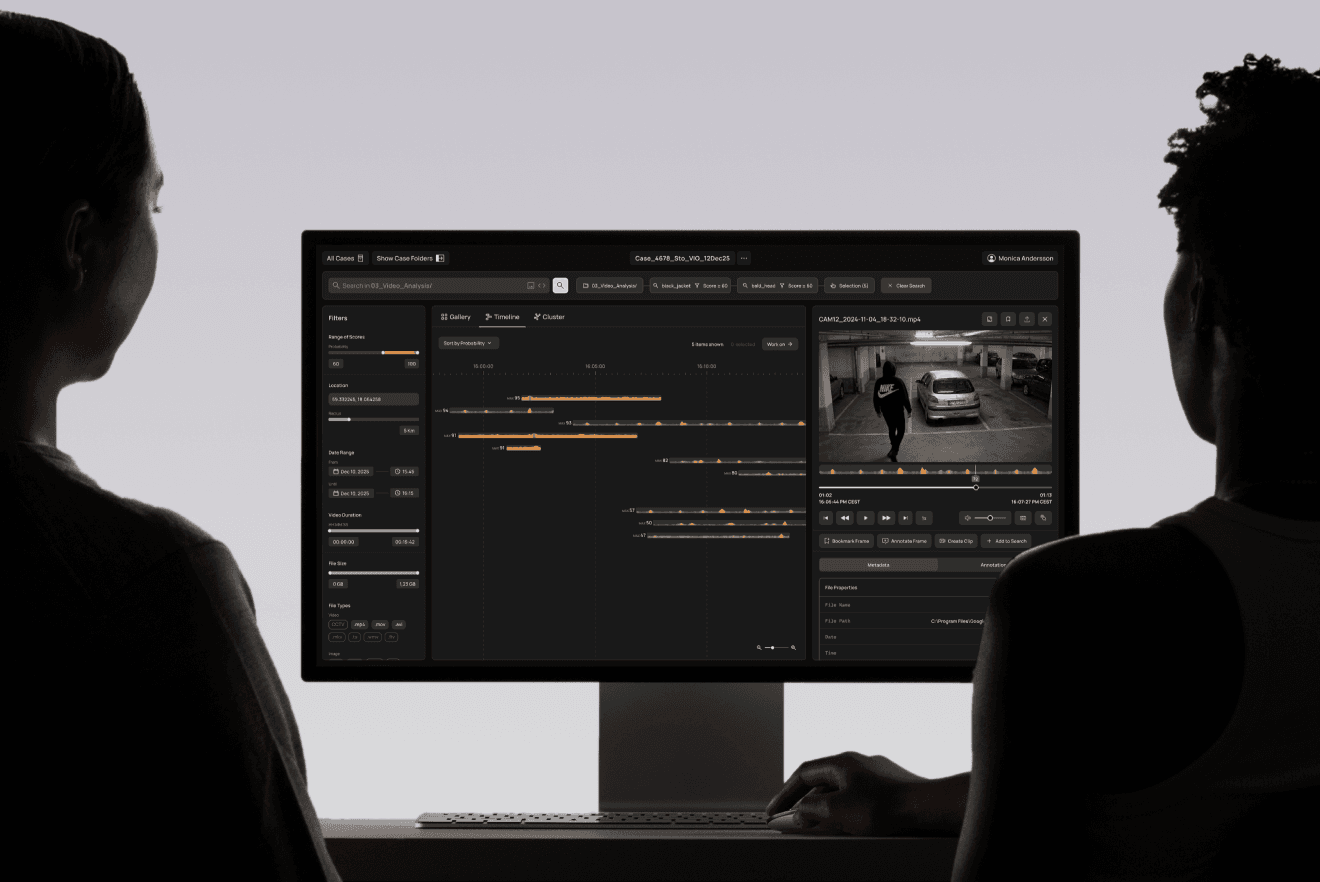
Law Enforcement Agencies face the challenge of processing large amounts of footage in a small amount of time
Brief
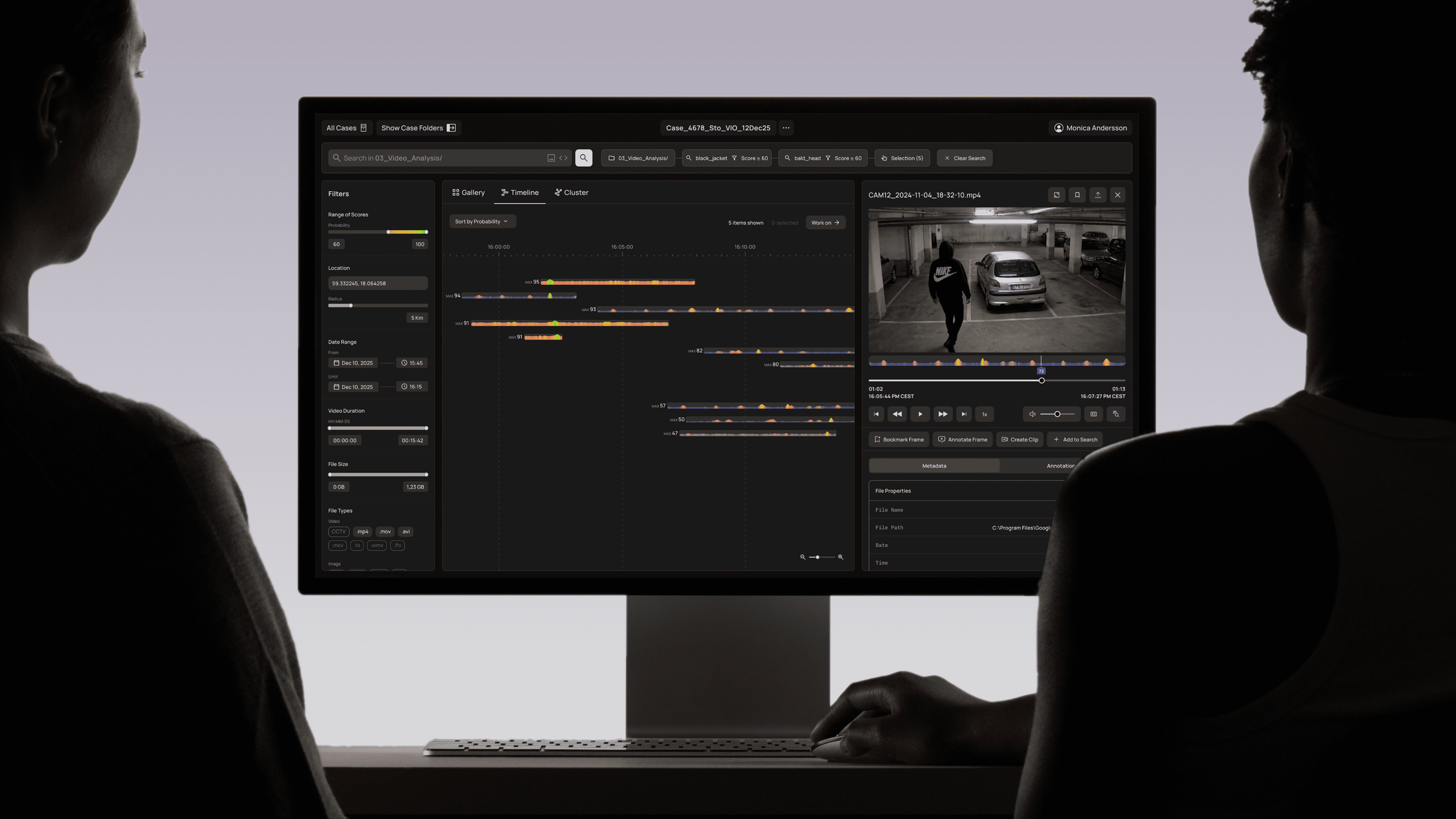
In this project, our class received a brief from Europol to design a user interface that helps law enforcement investigators efficiently, adaptively, and responsibly process large volumes of video to identify critical information. The project focused on how AI-driven computer vision can meaningfully support these investigative practices.
Understanding context
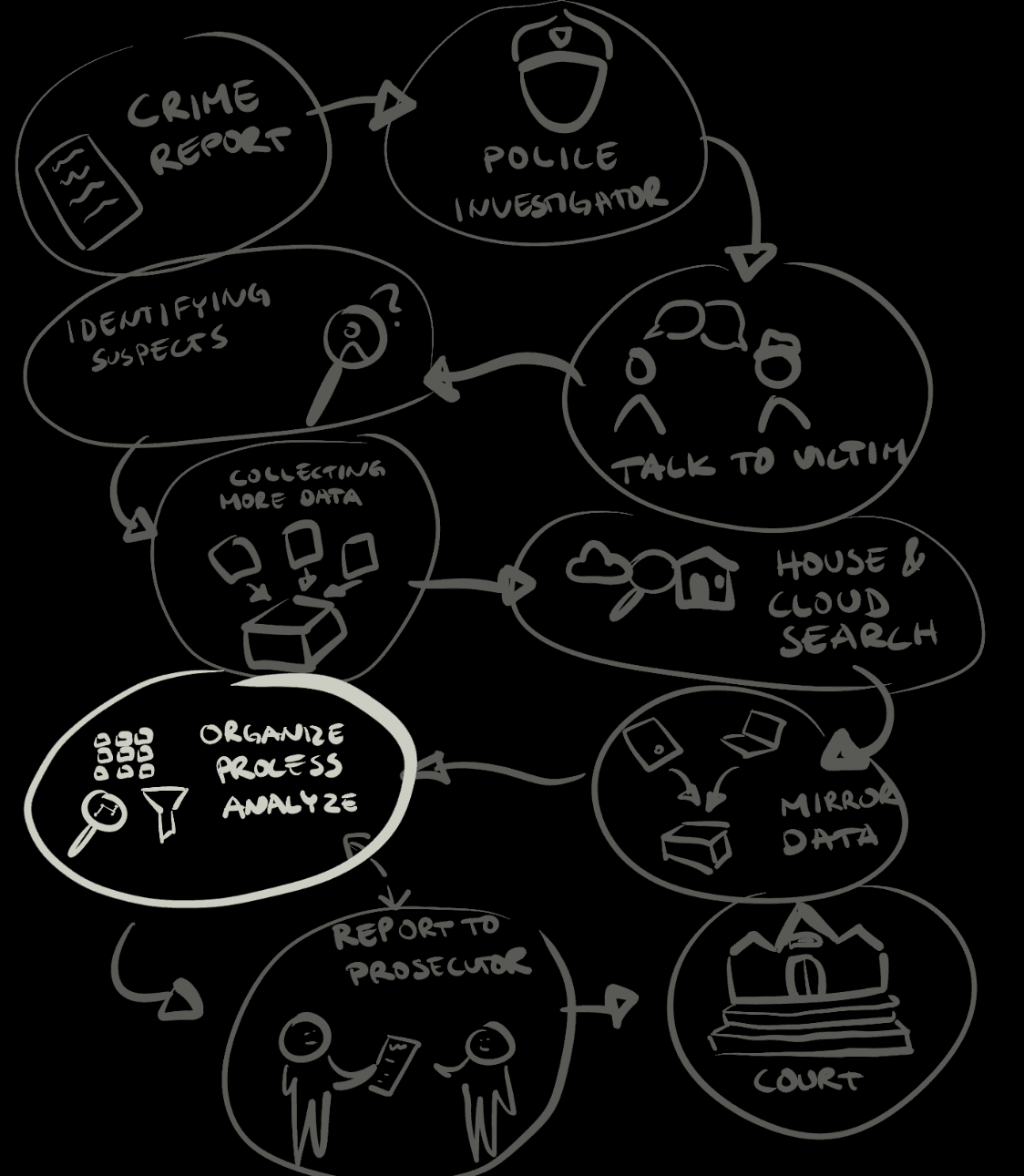
The workflow of processing video material in an investigation is part of a broader process that begins with a case being reported to the police and may end with an investigator testifying in court about findings from video analysis. Cases can span from a few weeks to several months, with work continuously moving between investigators, analysts, and prosecutors.
For the scope of this project, we focused on the organizing, processing, and analyzing stages, while keeping the broader investigative context in mind to ensure a meaningful and cohesive experience.
Selected user stories from
Stockholm and Umeå police
Analyst,
Umeå

Investigator, Stockholm
Intelligence officer,
Stockholm

—————>
HMW Design a tool that helps law enforcement investigators review and manage large quantities of video material in an Iterative and Agency-driven way to identify key insights?
01 Search
Stacked searches ->
Stacked searches
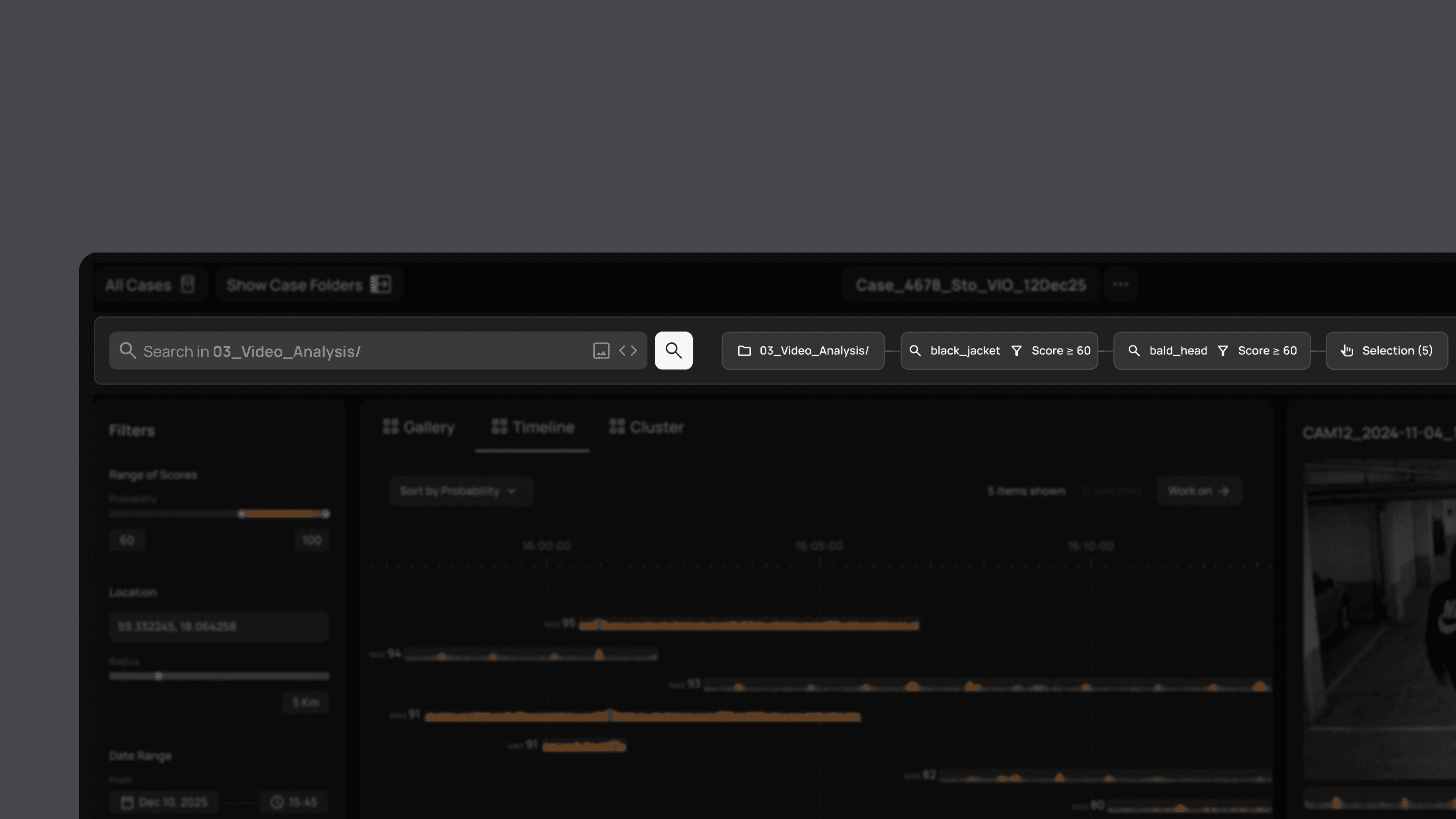
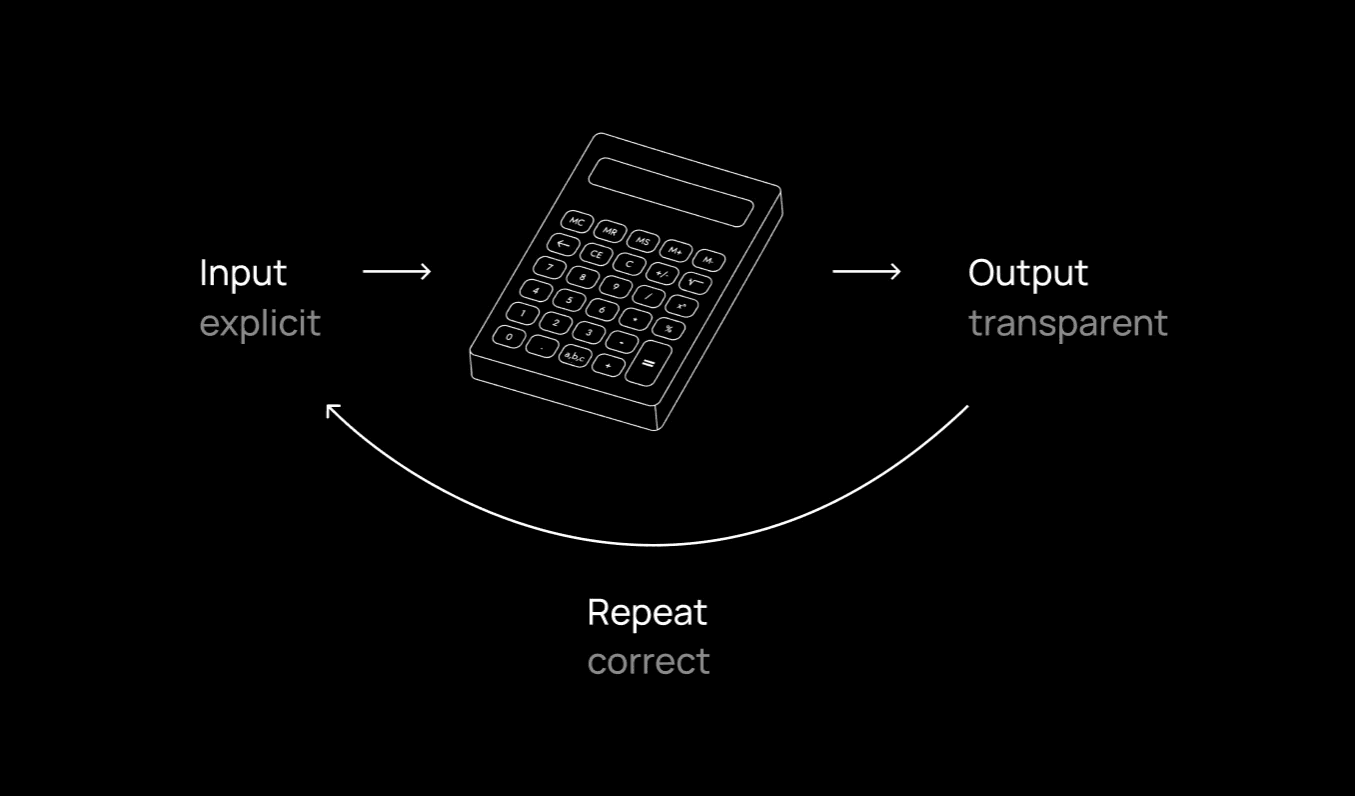
Searches are built as stacked steps to maintain transparency and control, much like a calculator. Because results are probability-based, combining multiple searches can introduce errors.
Stacking makes each step visible and traceable, giving investigators full control over inputs and a clear understanding of results. Aswell as supporting iterative work.
Computer
Vision
Visualization
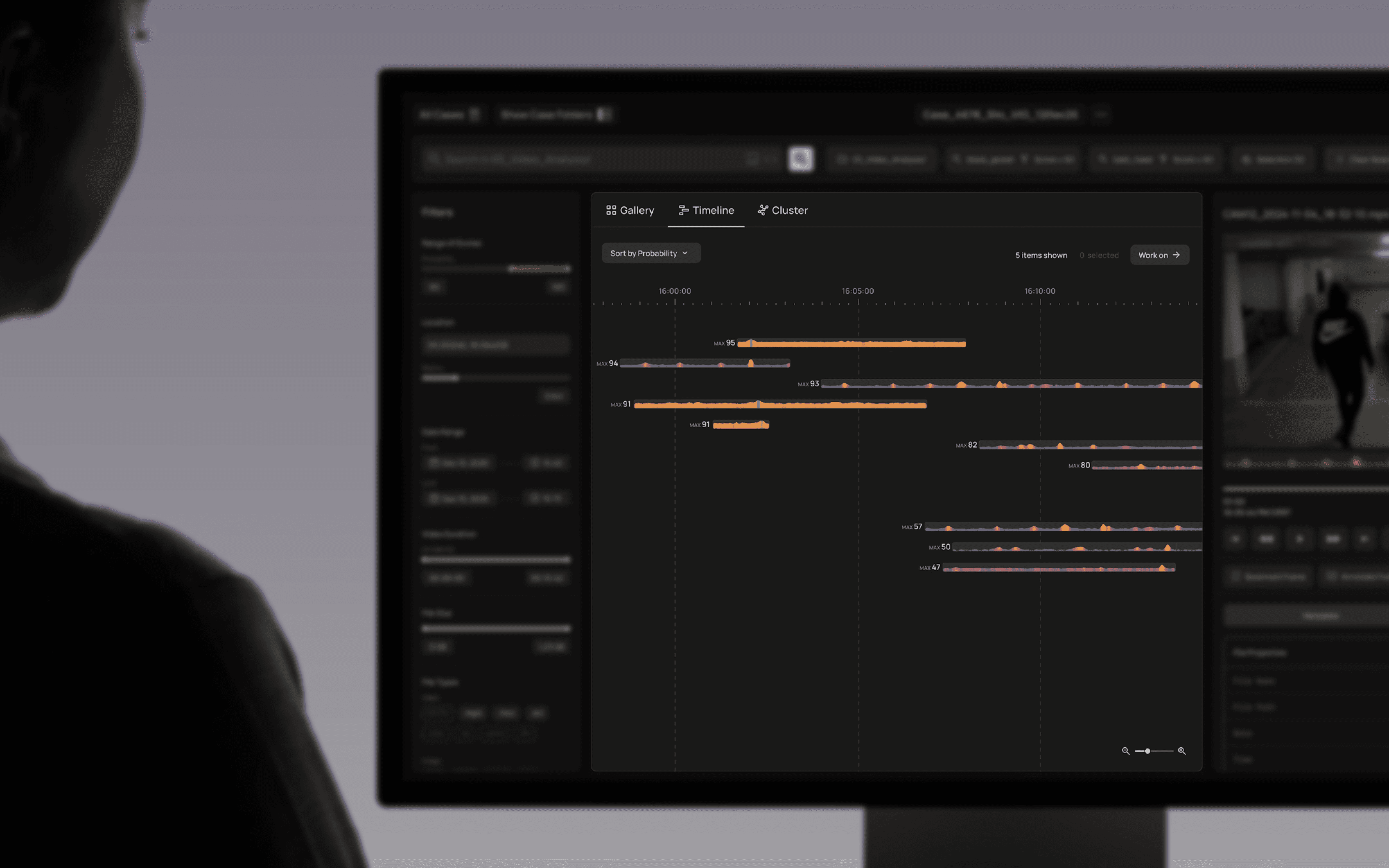
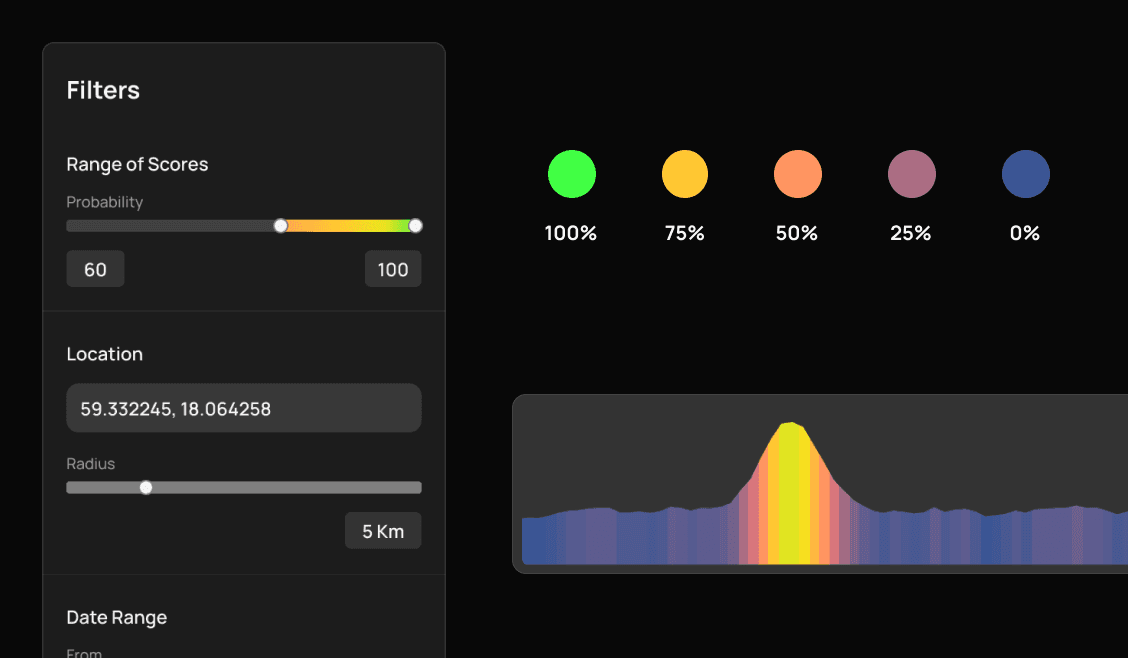
An AI algorithm scores each video based on the probability of a search term, shown as peak and average values.
Scores are visualized with a color gradient and graph for quick recognition.
Investigators can filter results to focus on the probability ranges that matter most.
02 Data browser
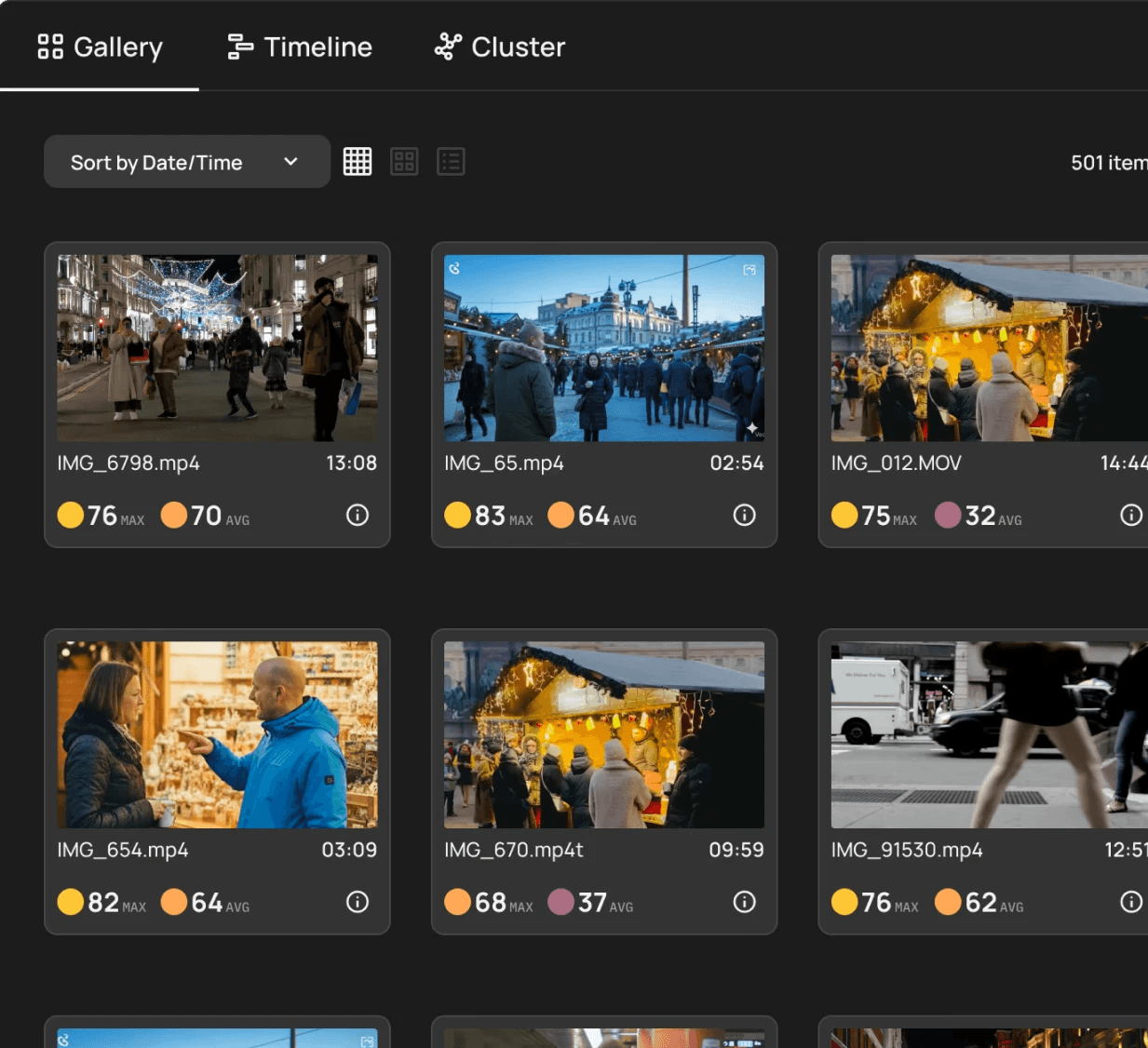
The data browsing view enables quick scanning of search results. Supported by probability scores, investigators can identify relevant material efficiently, and by hovering over items, preview thumbnail videos.
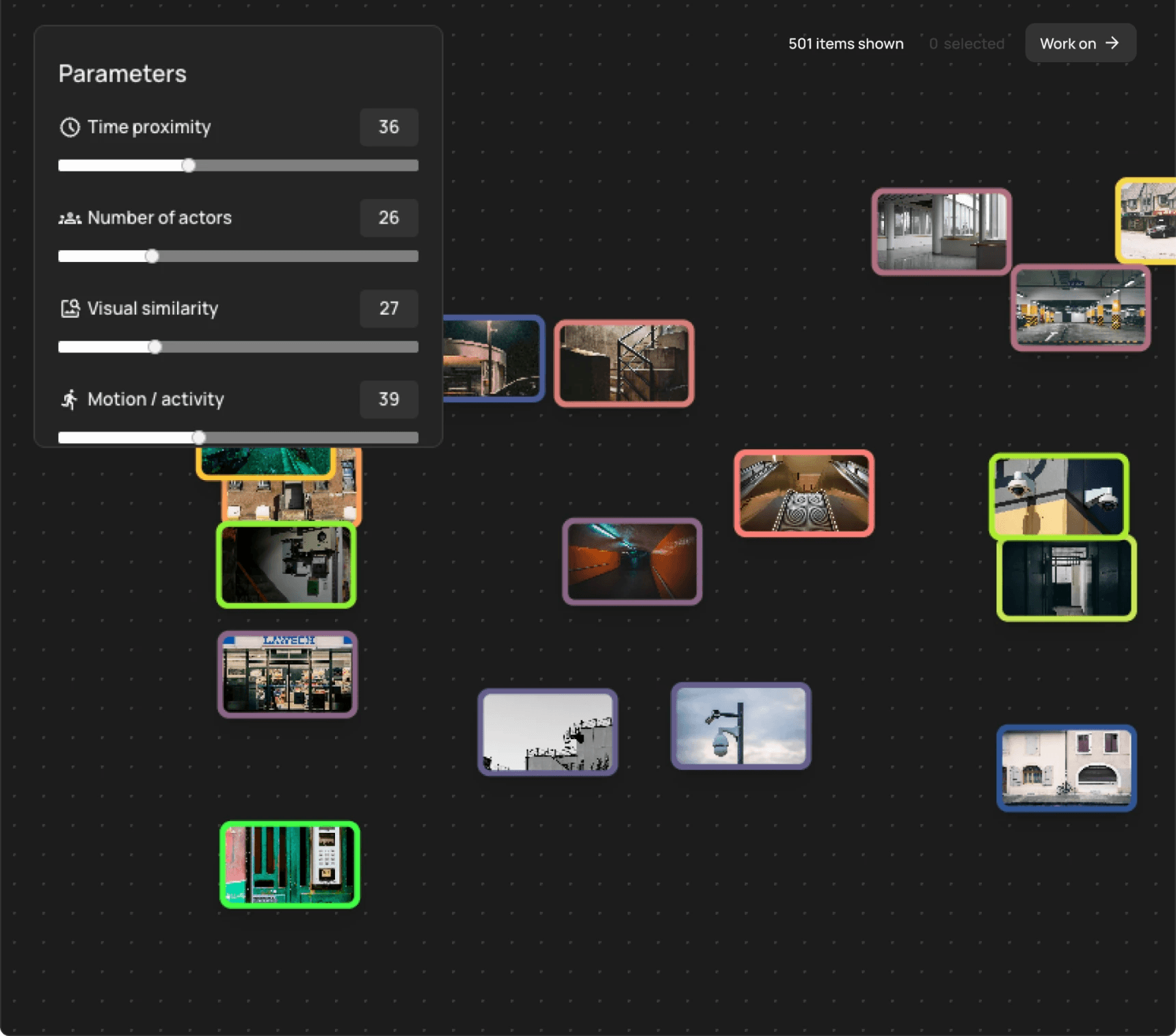
Rather than relying on a single fixed view, flexible data viewers allow investigators to approach the data from different perspectives, depending on their task and context.
Gallery
The gallery view supports quick browsing and comparison, making it easier to scan large amounts of data and narrow down relevant items.
Timeline
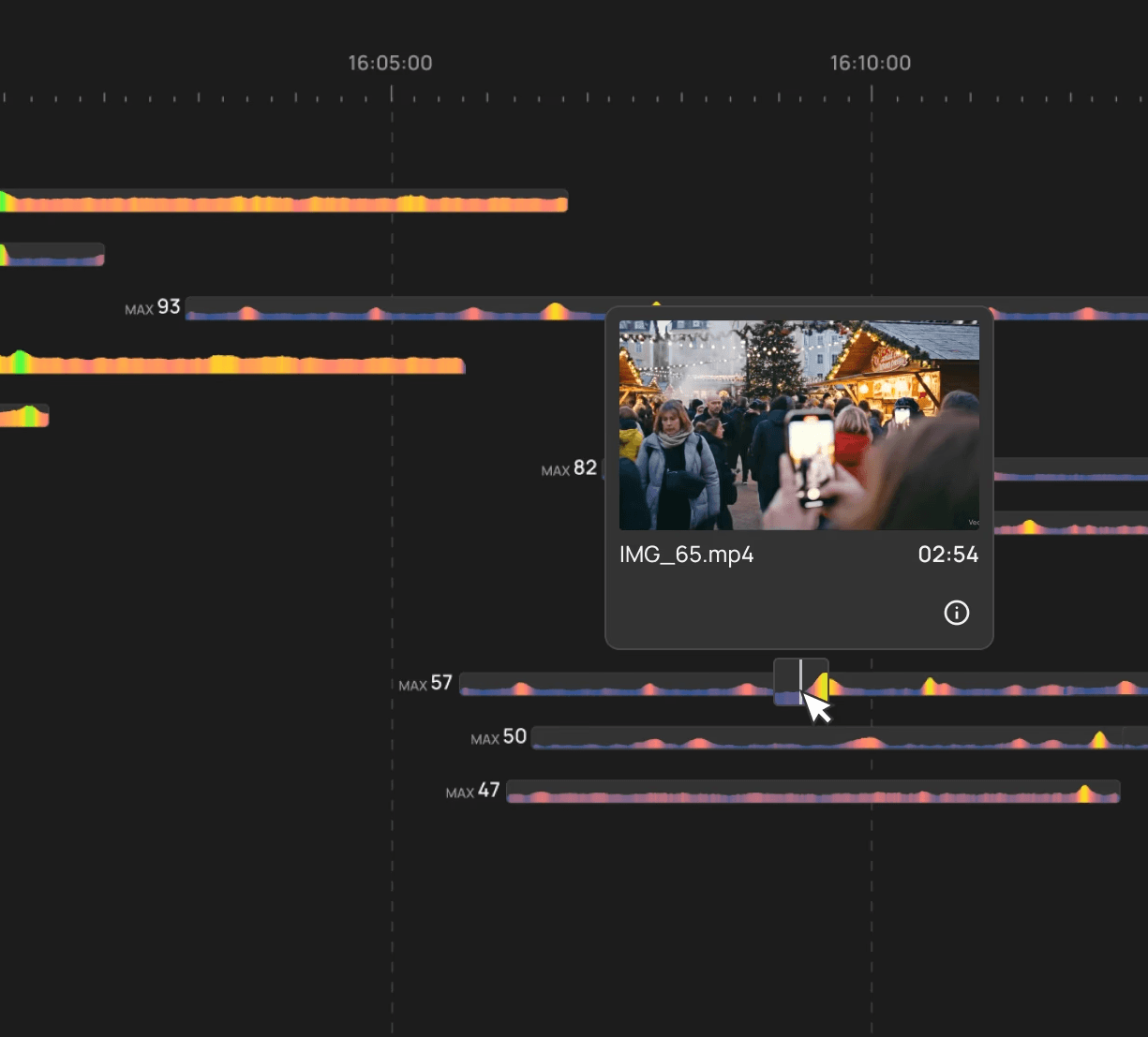
Provides contextual understanding of the data by revealing the sequence of events and highlighting key moments over time.
Cluster
Acts as a thread starter for exploratory investigation, grouping data to reveal patterns and surface potential leads.

Research connection
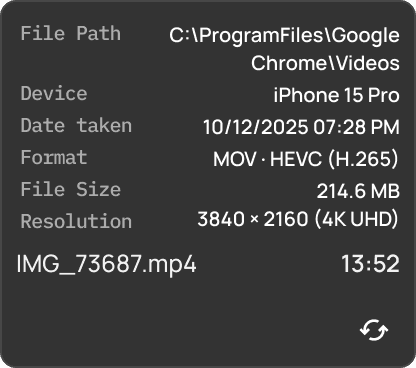
Through a card-like flip, investigators can quickly acsess EXIF-data and pathways.
03 Video analysis
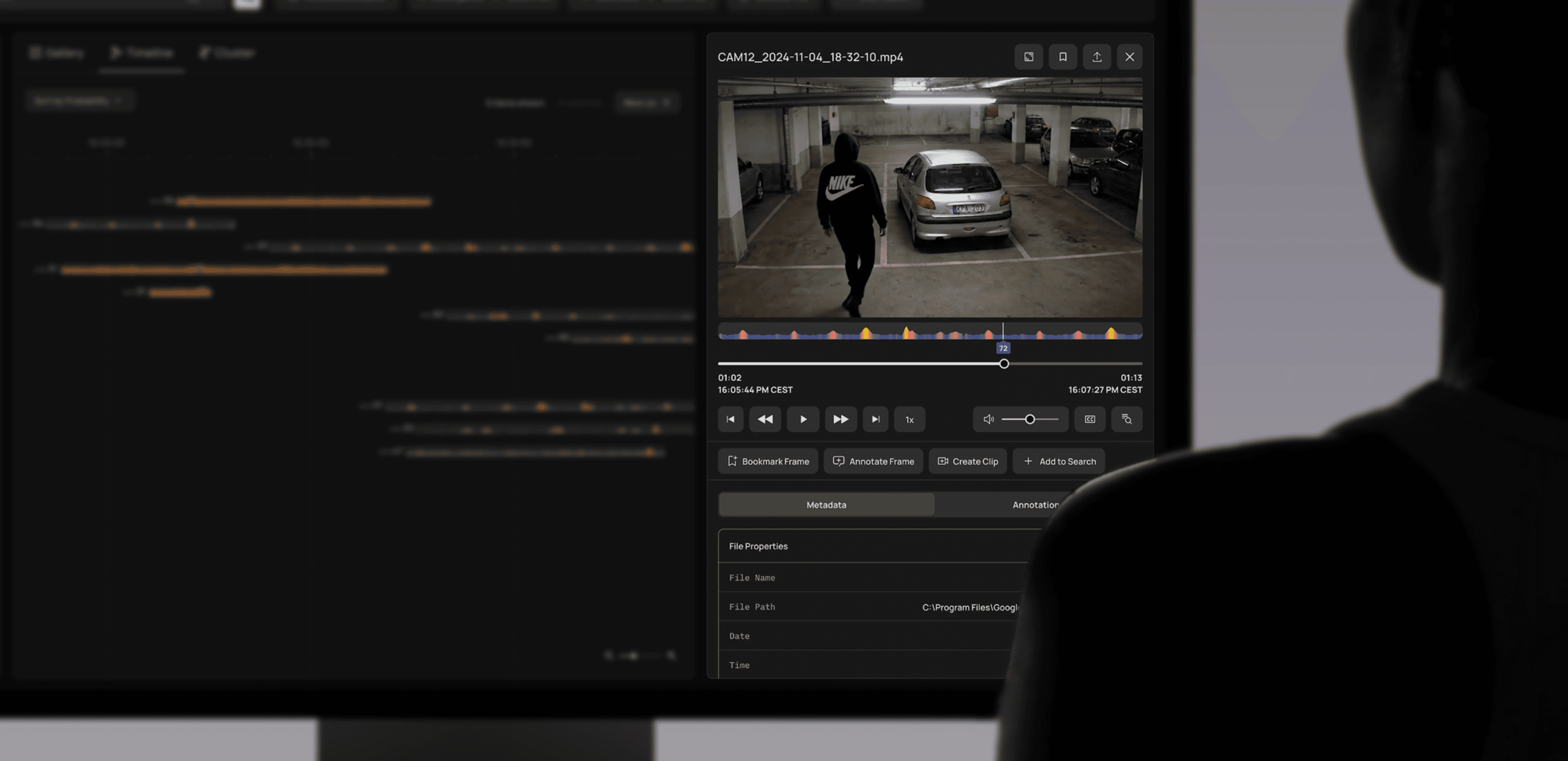
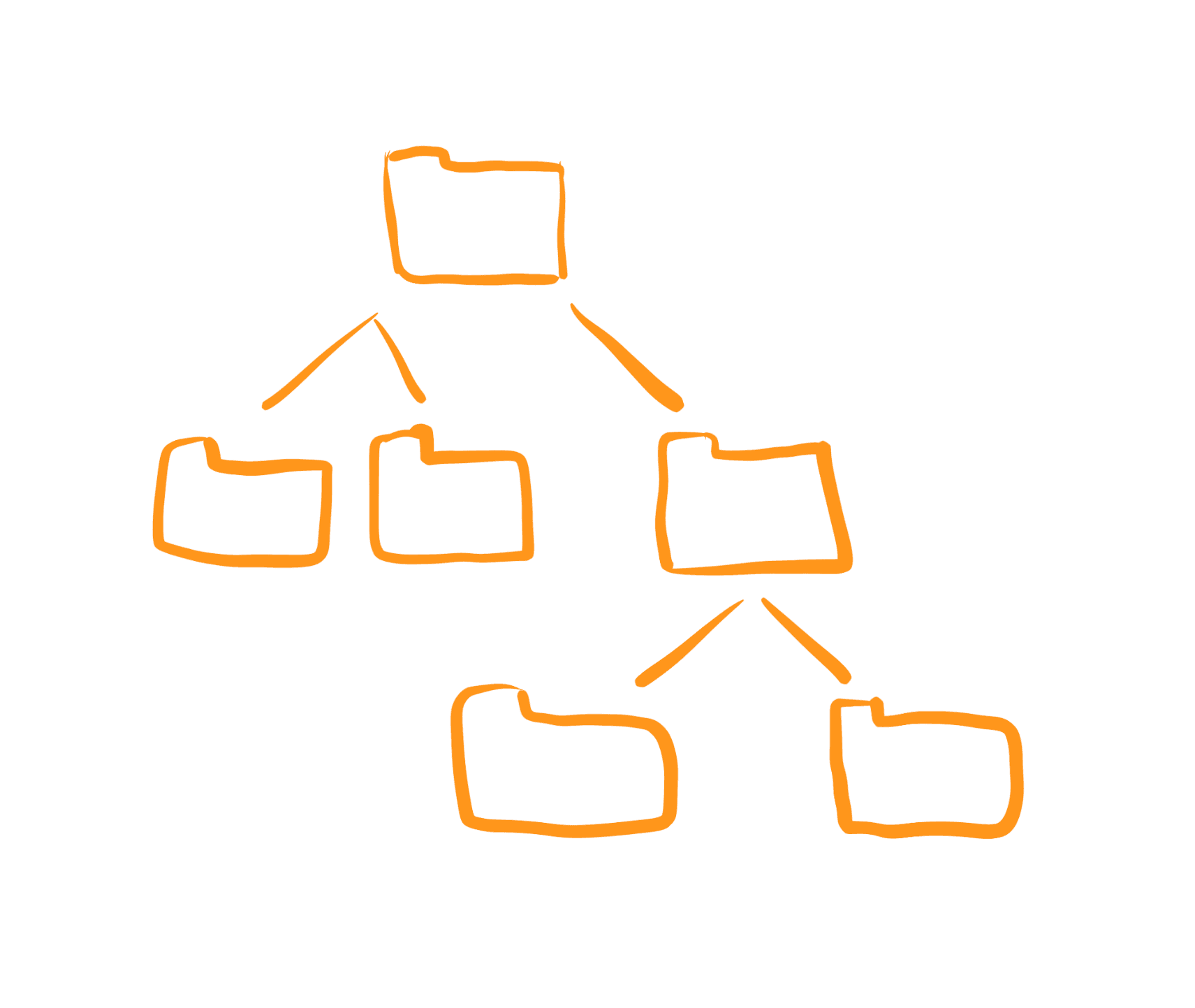
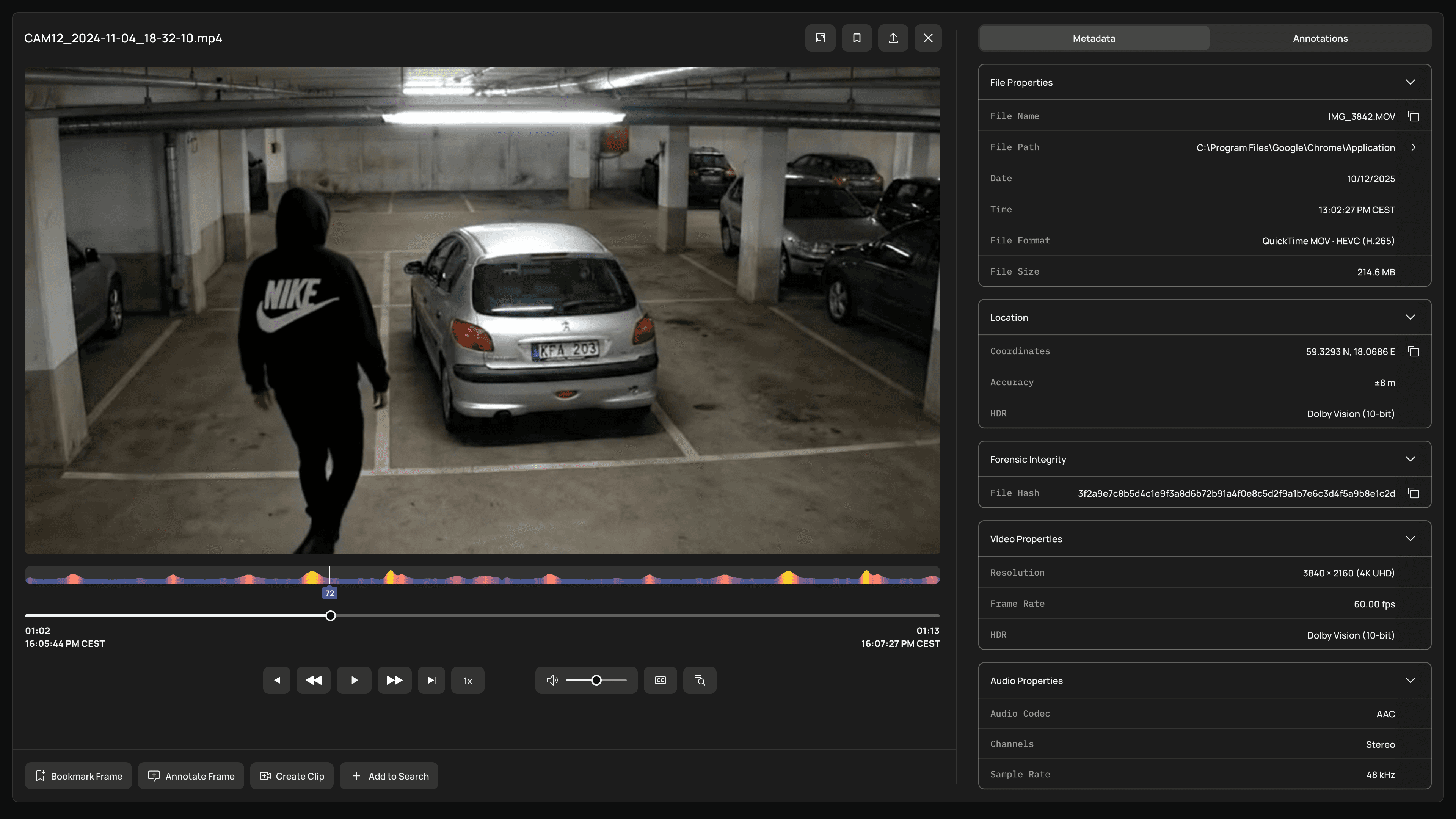
A focused workspace for investigative video review. Users can closely examine footage, access contextual metadata such as time and location, and extract relevant moments as evidence. Findings can be added to active searches and organized through saving, categorization, or export.
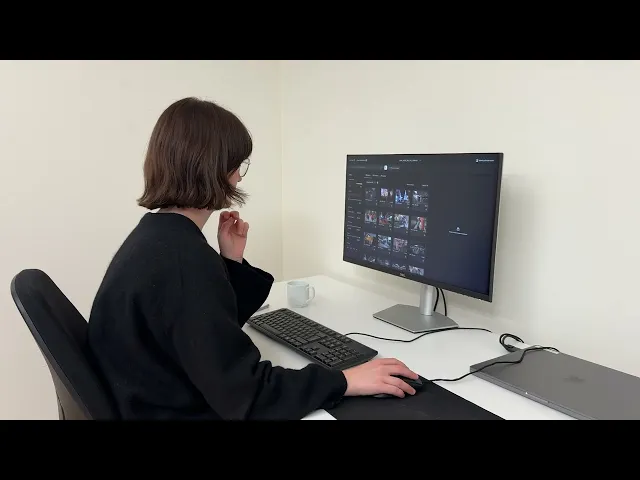
Concept video ->
Process ->
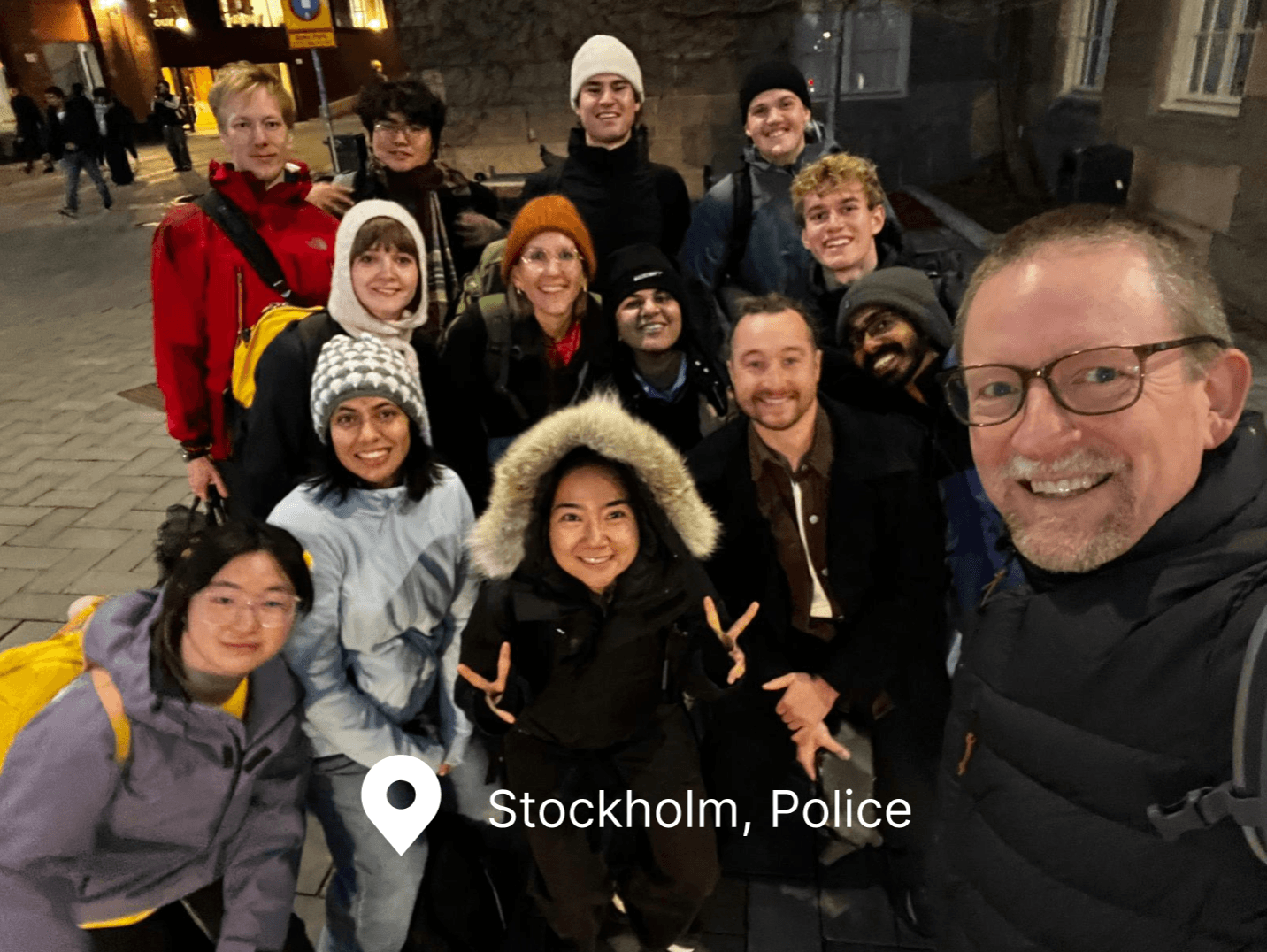
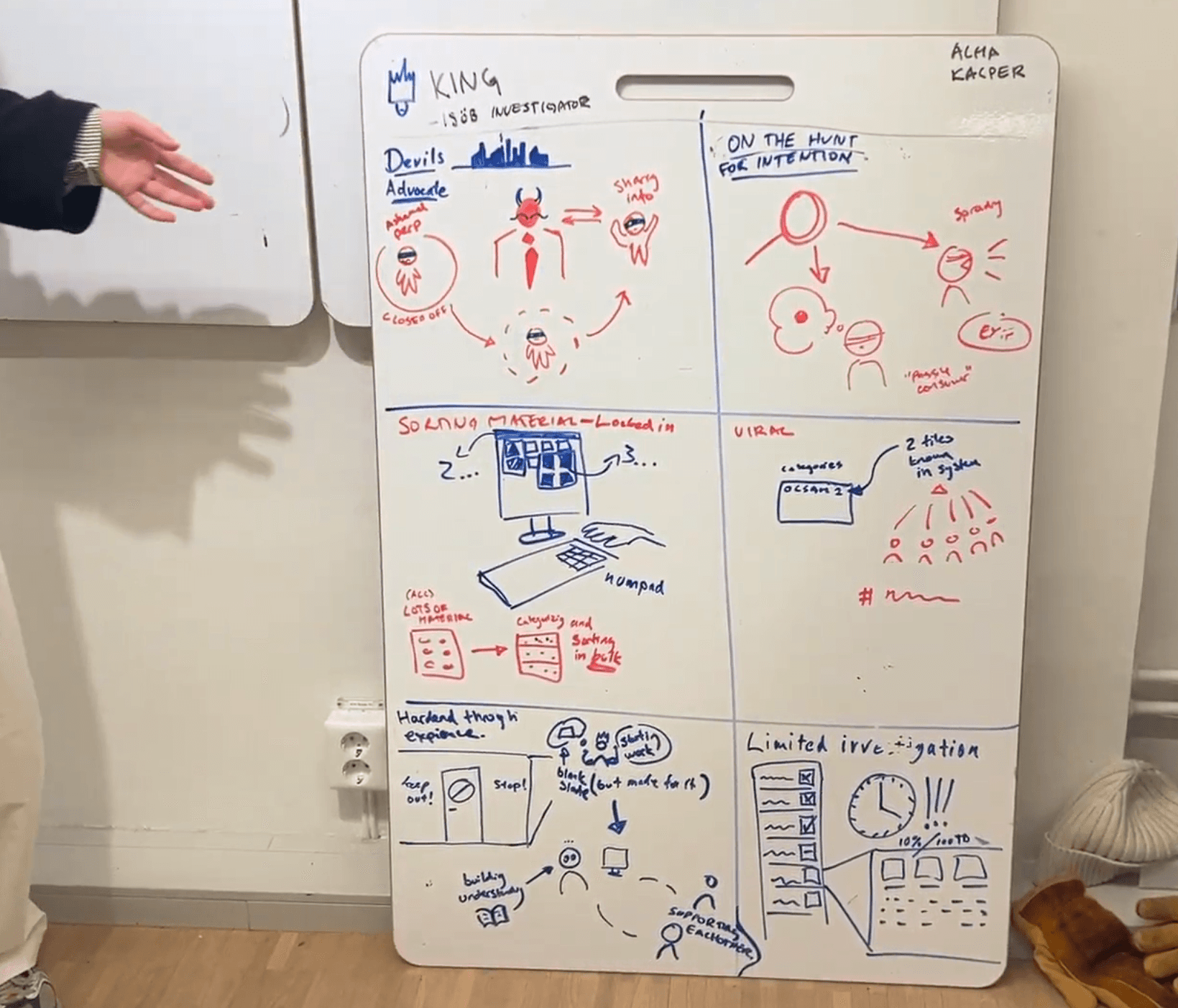
Police study visits
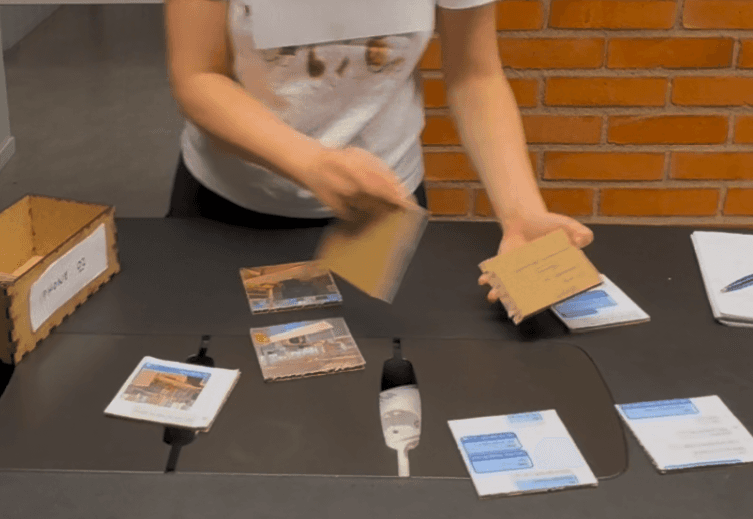
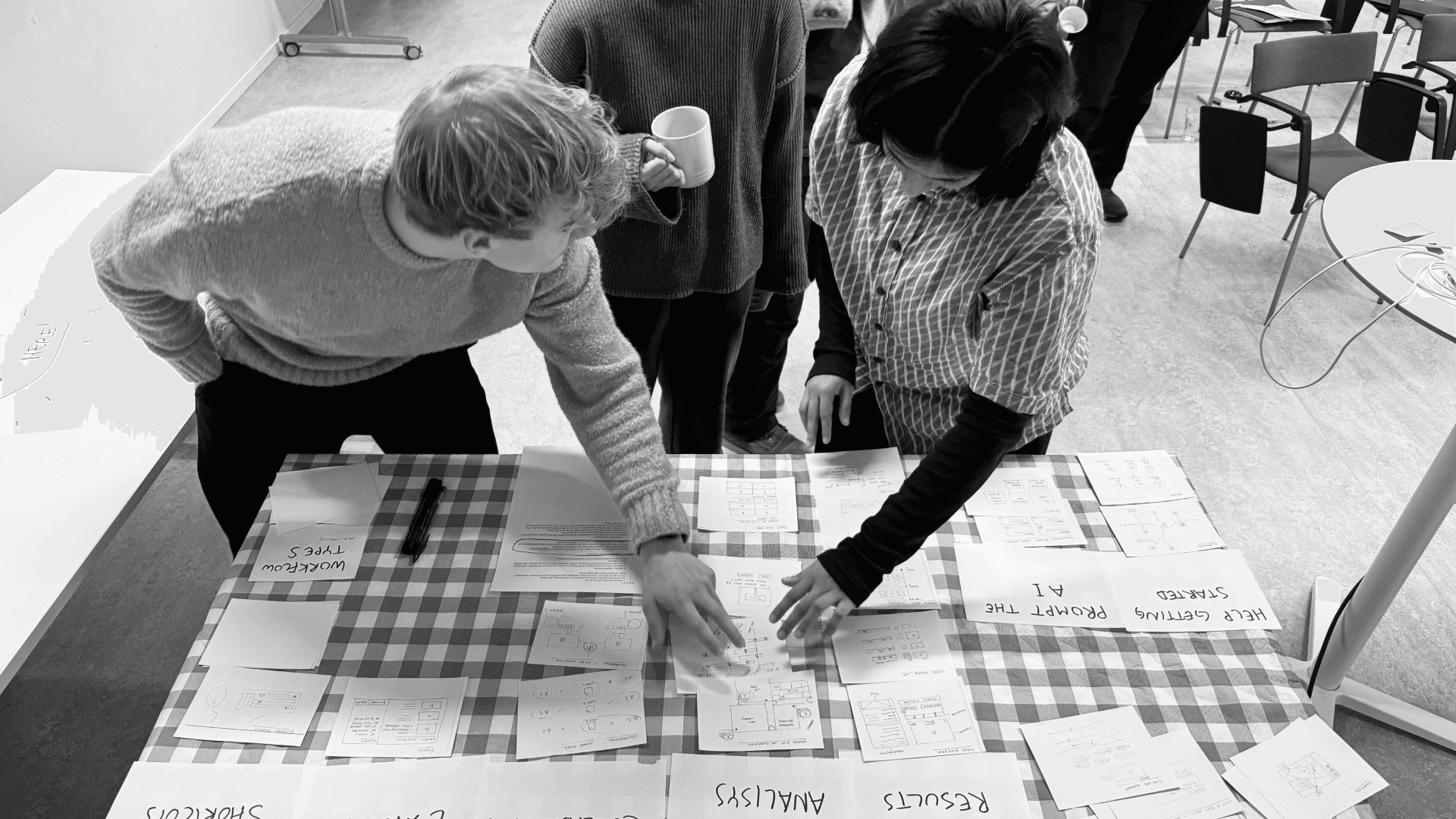
Embodied explorations of research
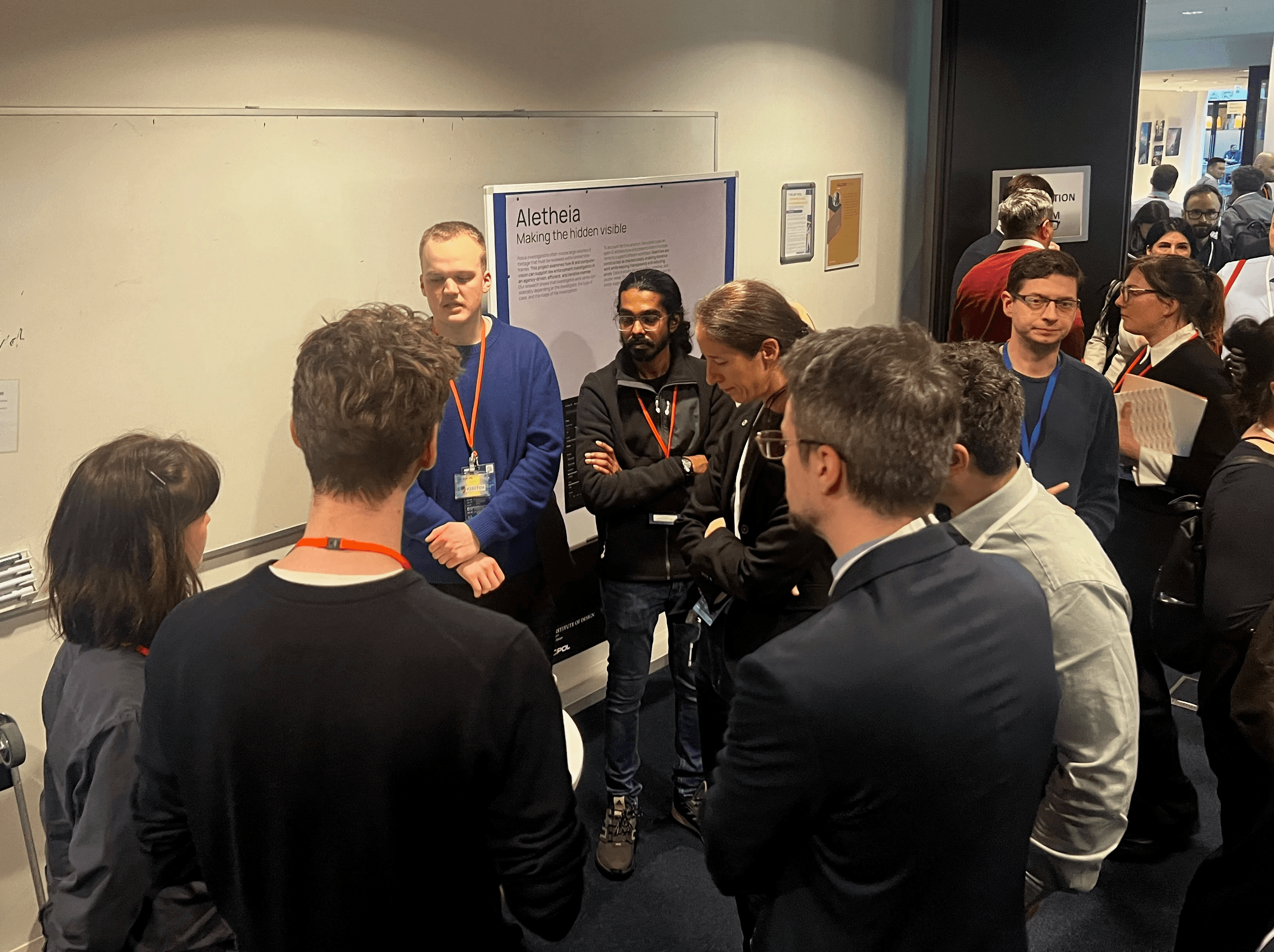
Invited to present at Europol innovation days in Den Haag