



Sound design in the context of
off-trail hiking*
Designing with sound
at the centre
This project explored interaction design through sound as the core element, examining how sound can redefine, enhance, and transform an experience when placed at the forefront.

Interrupted Presence
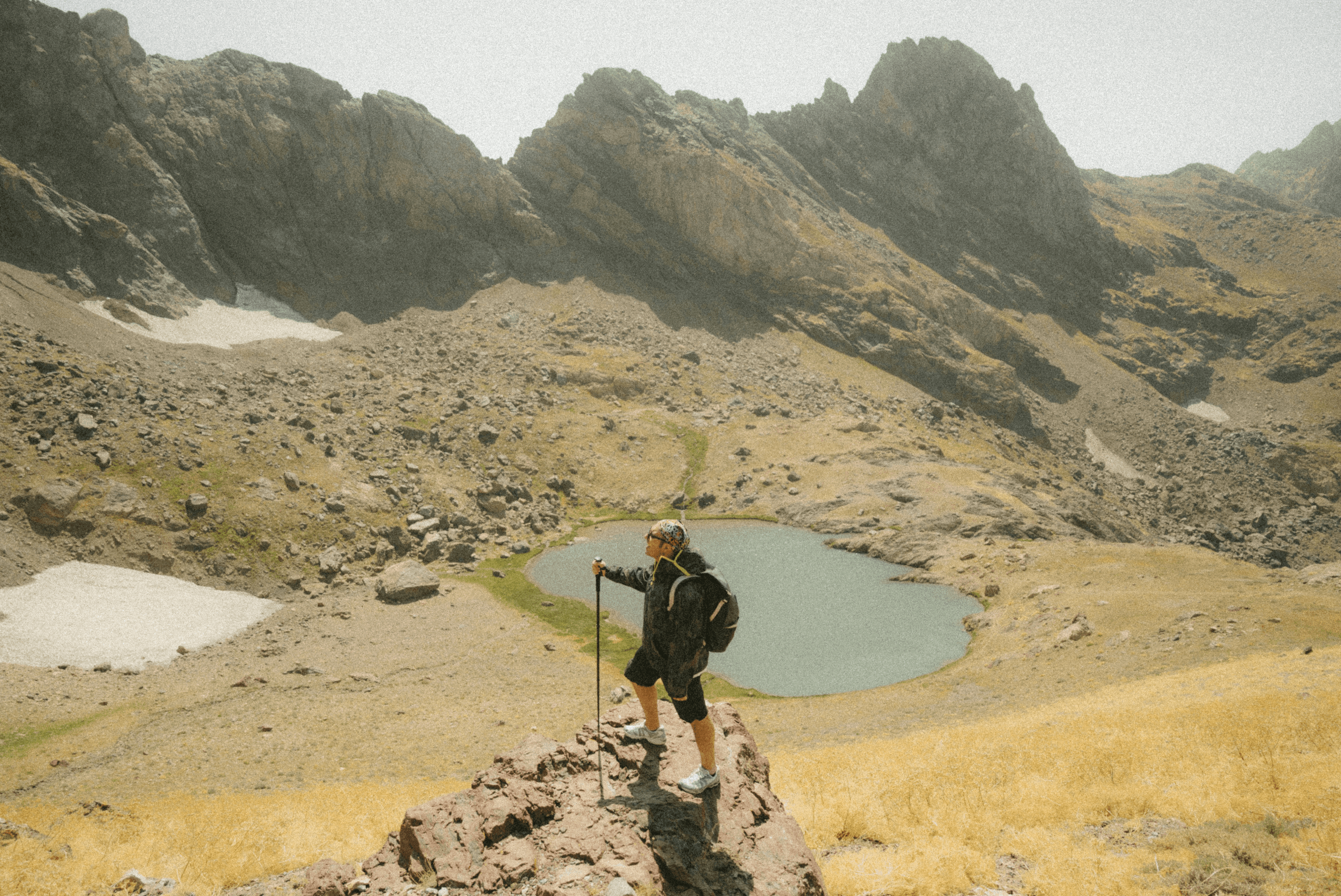
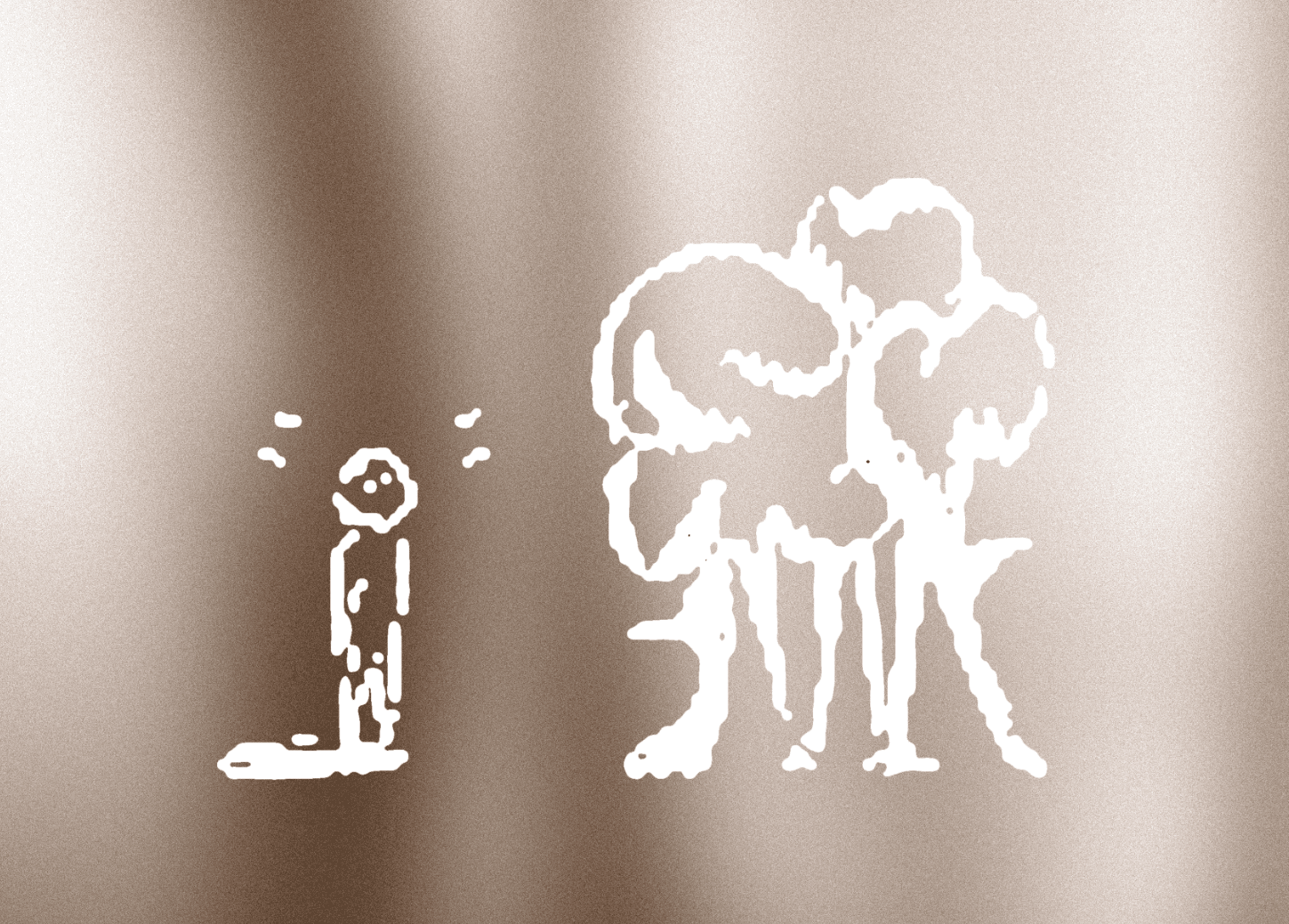
Without a visible trail, hikers frequently look down at a phone or map to stay on course. This interrupts immersion and shifts attention away from the surrounding landscape.
How can we create an immersive navigation experience for off-trail hikers through the lens of sound?
Audio-based navigation
This product combines physical and digital elements. At its
core is a pair of navigation glasses, supported by a community and route-planning platform.
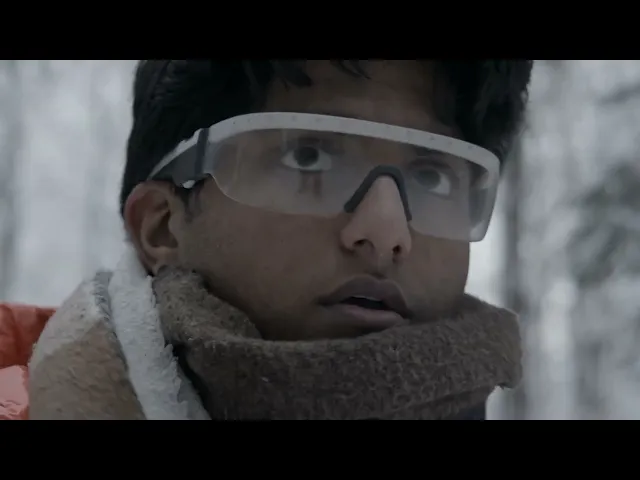
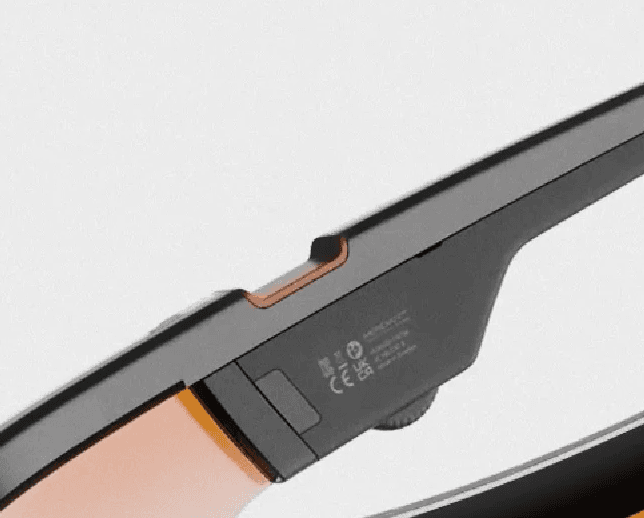
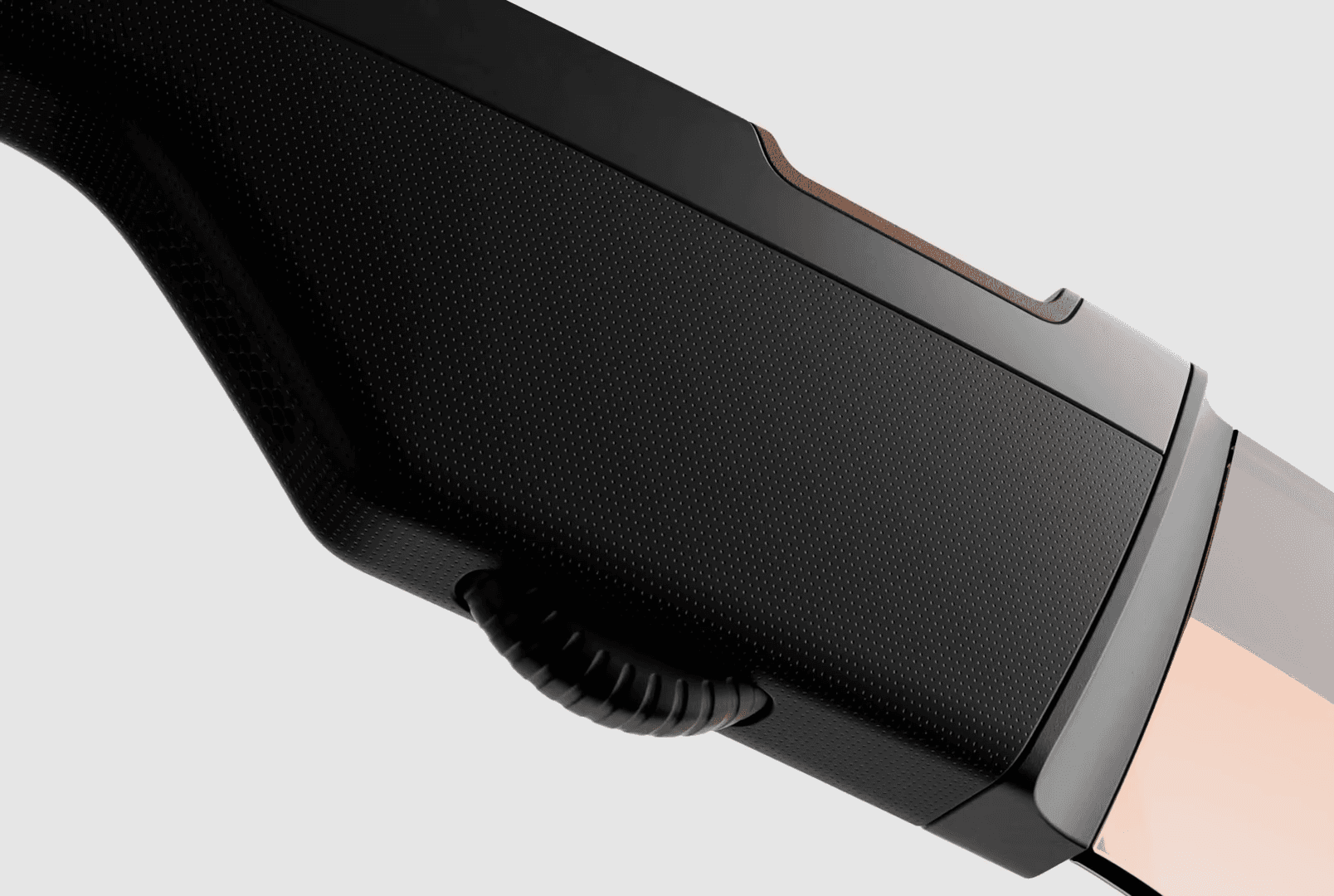
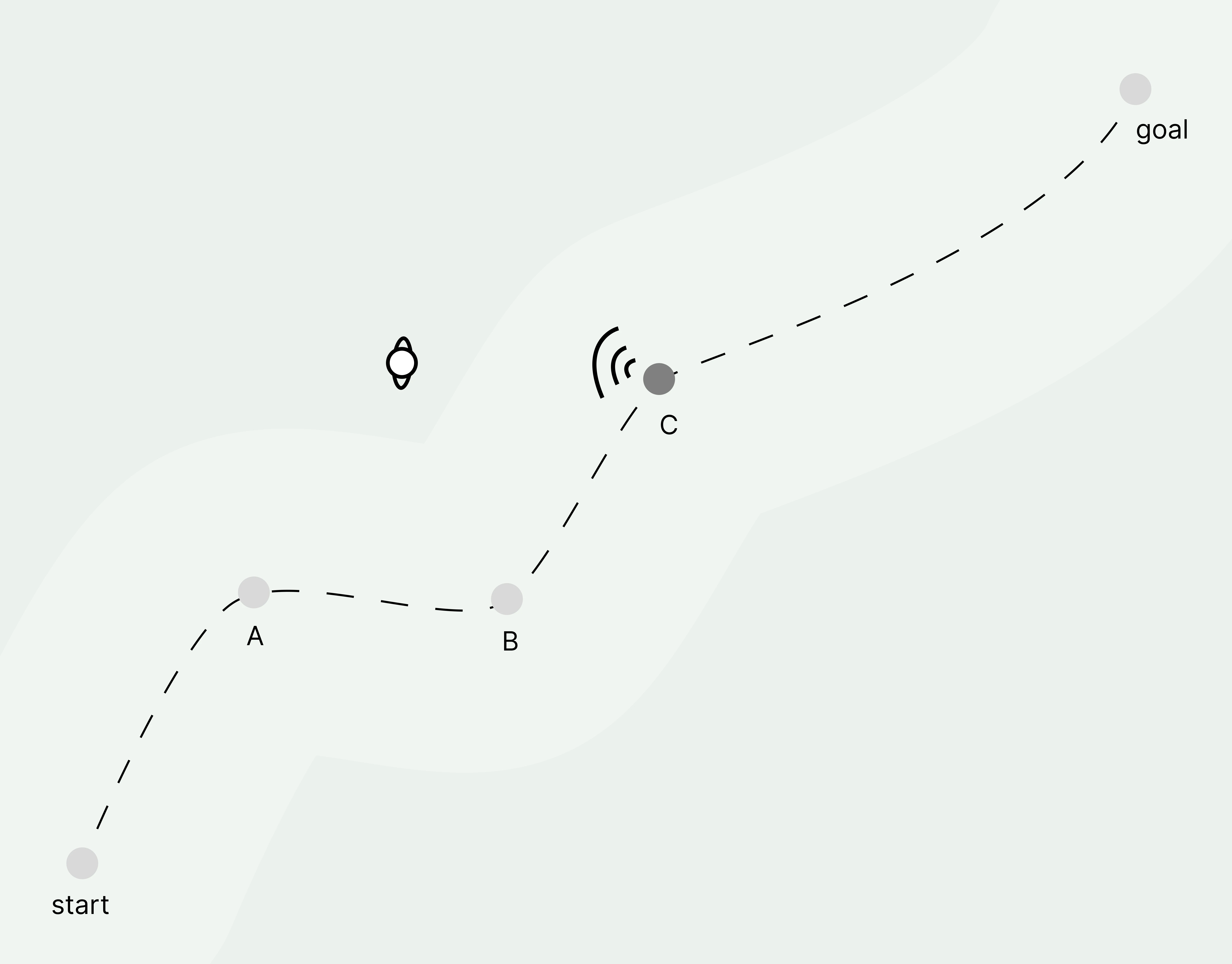
The glasses’ primary function is to hold an audio-based trail that guides the user. They support both ambient and active use, allowing for an immersive nature experience while keeping the user in control of their route.
Concept video ->
Key Features
(sound on)
Experience
The journey begins on the website, where route planning and community knowledge are central. Users can discover where to hike or avoid, identify hidden hazards, and assess route difficulty.
The planned trail is uploaded to the device and stored locally, with the option to print a physical map, ensuring navigation even off the grid.
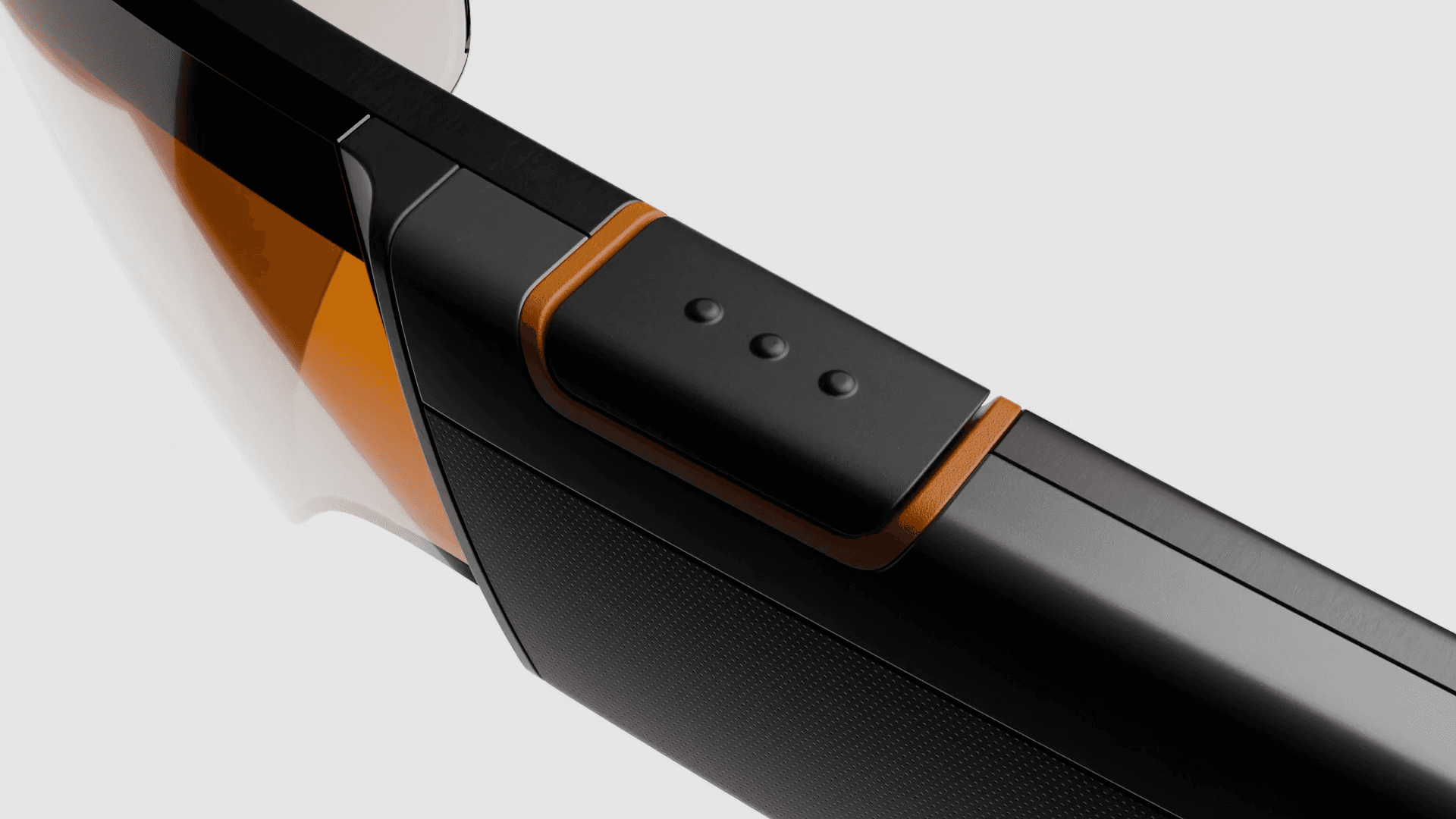
The glasses add a spatial audio layer to the landscape, reducing the need to look down at a map. Through sound and light cues, users access their route while staying present. A built-in margin of deviation acknowledges that trails cannot be followed precisely, alerting users only when they move significantly off course and allowing them to re-route with confidence.
Form
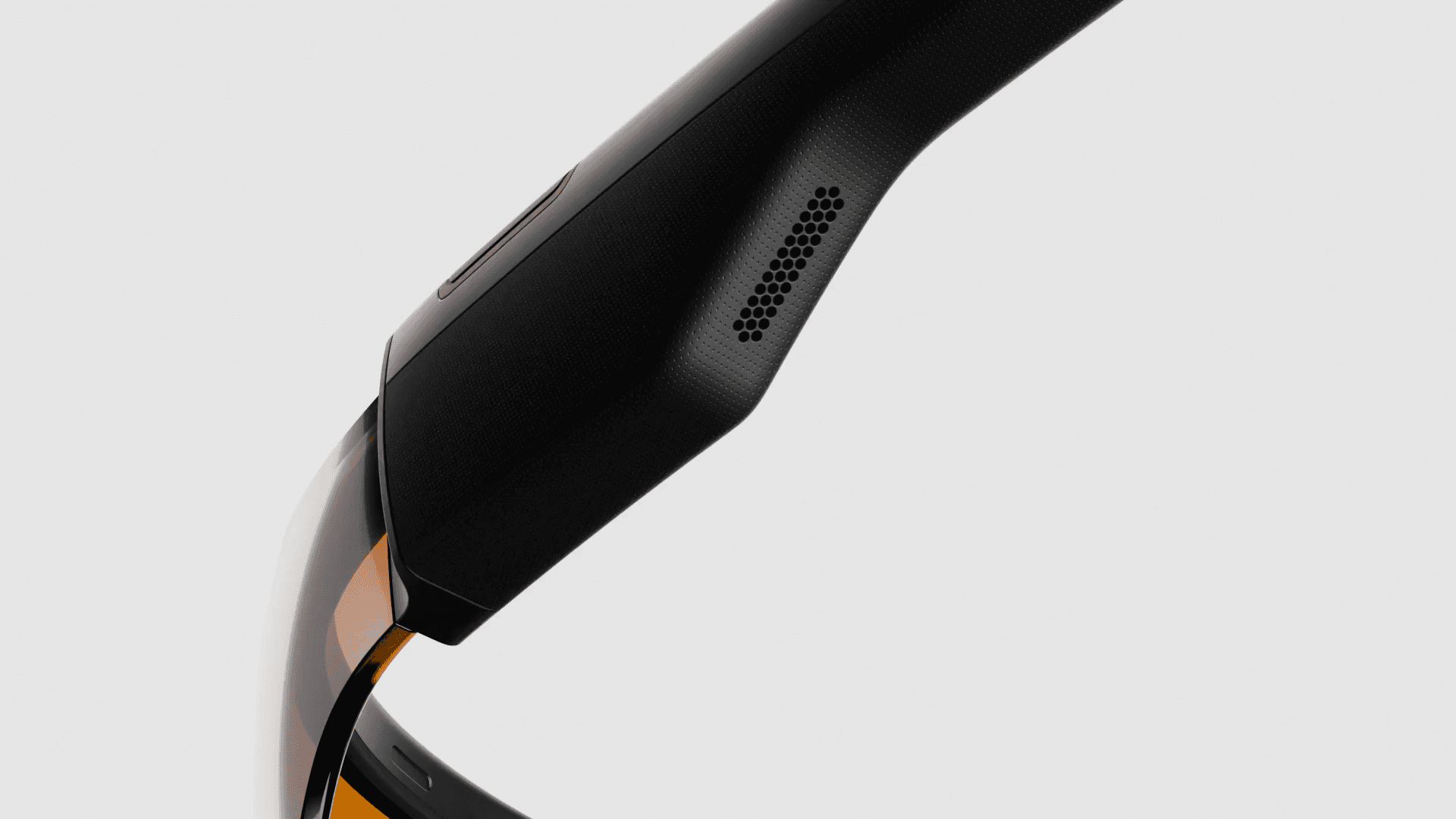
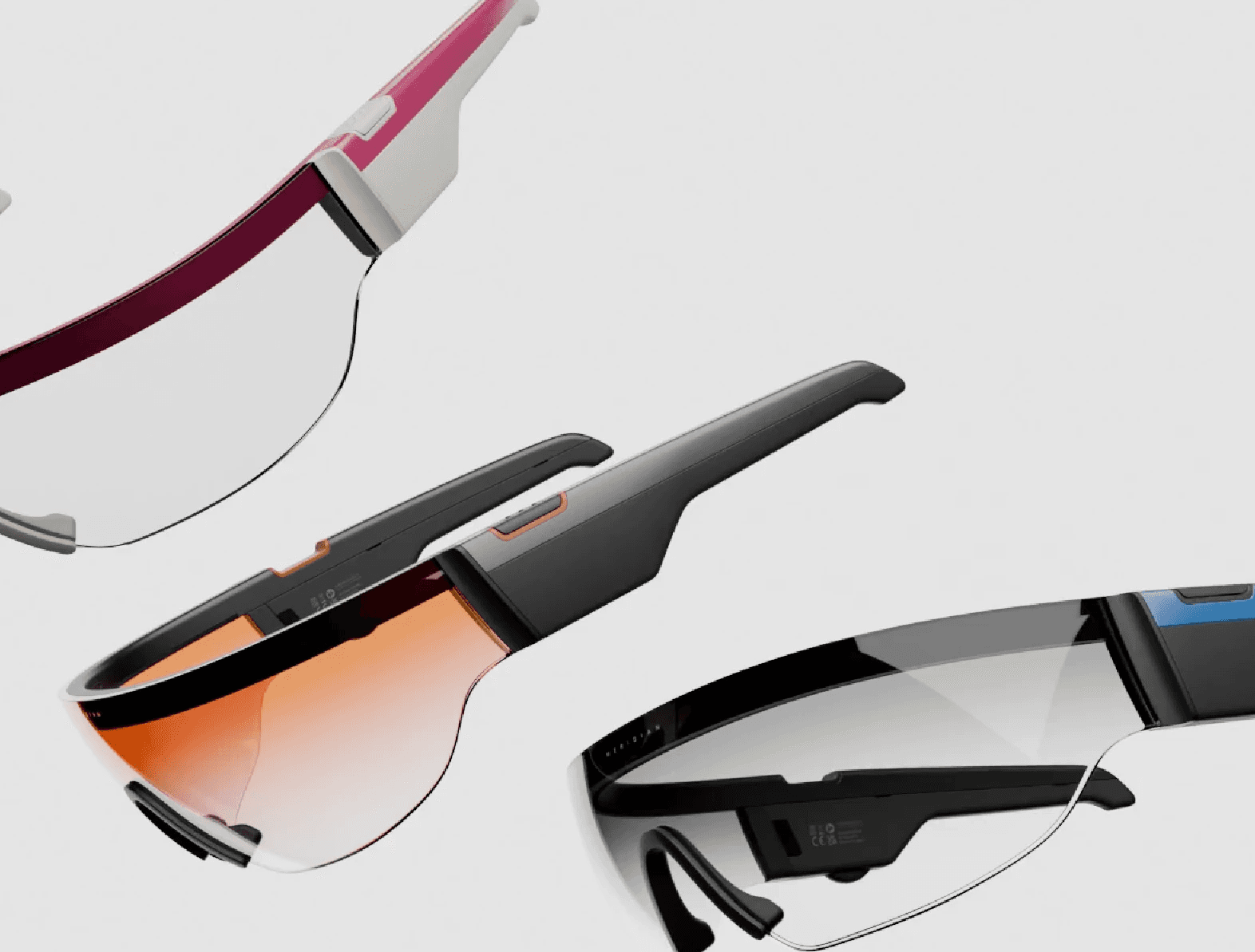
This product takes the form of glasses, as off-trail hikers often already wear protective eyewear to shield themselves from branches and debris. The format also enables binaural audio and subtle peripheral light cues to guide the user.
Process ->
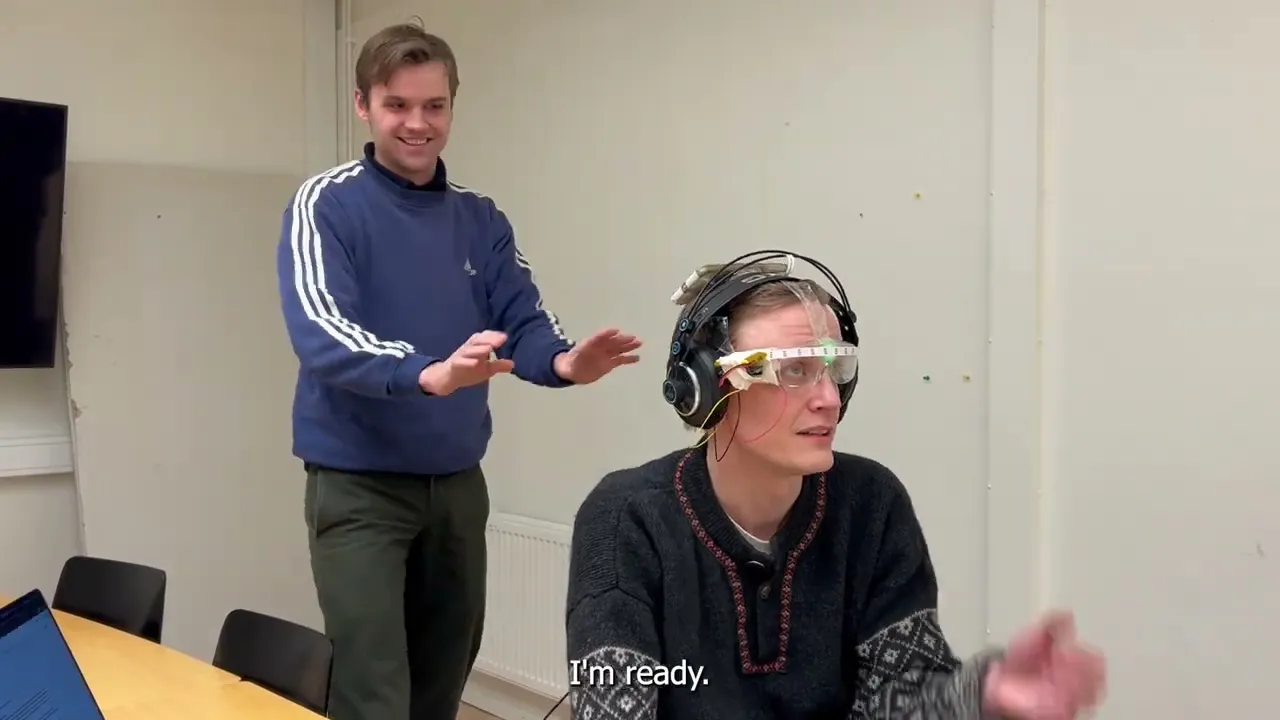
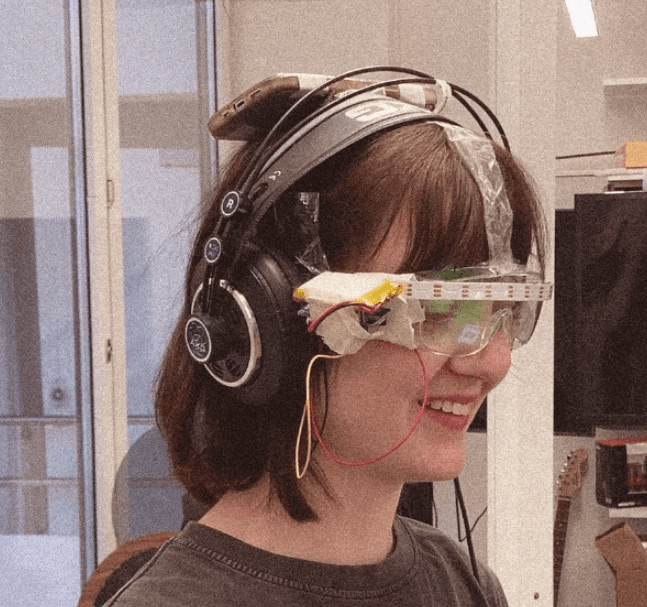
Testing navigation interactions
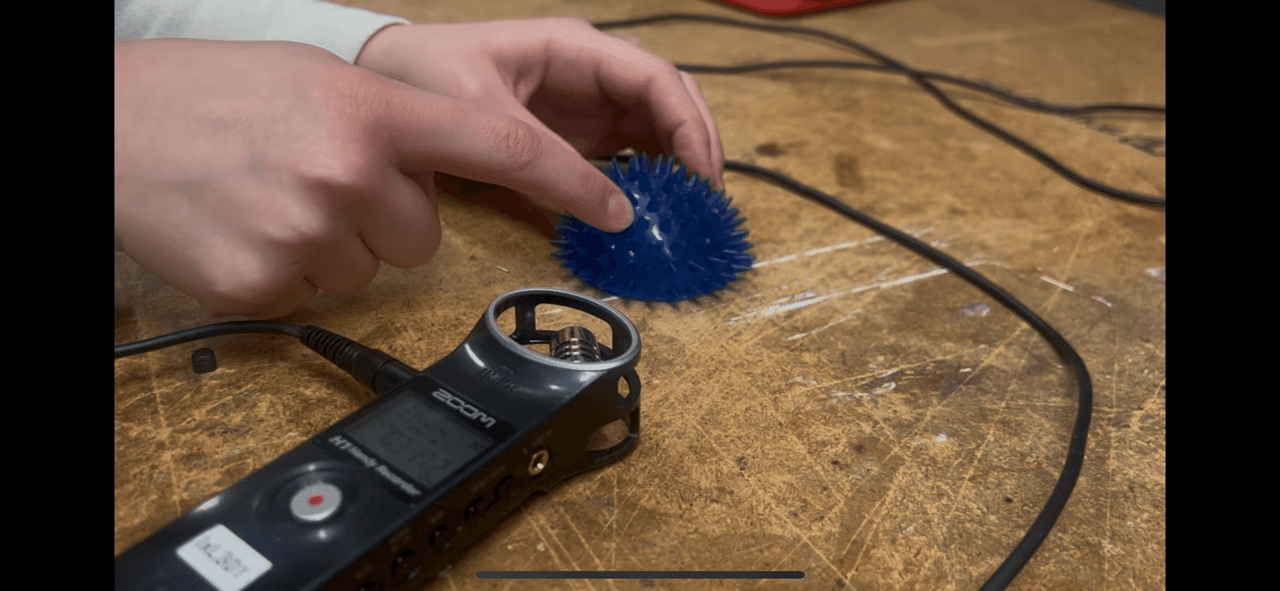
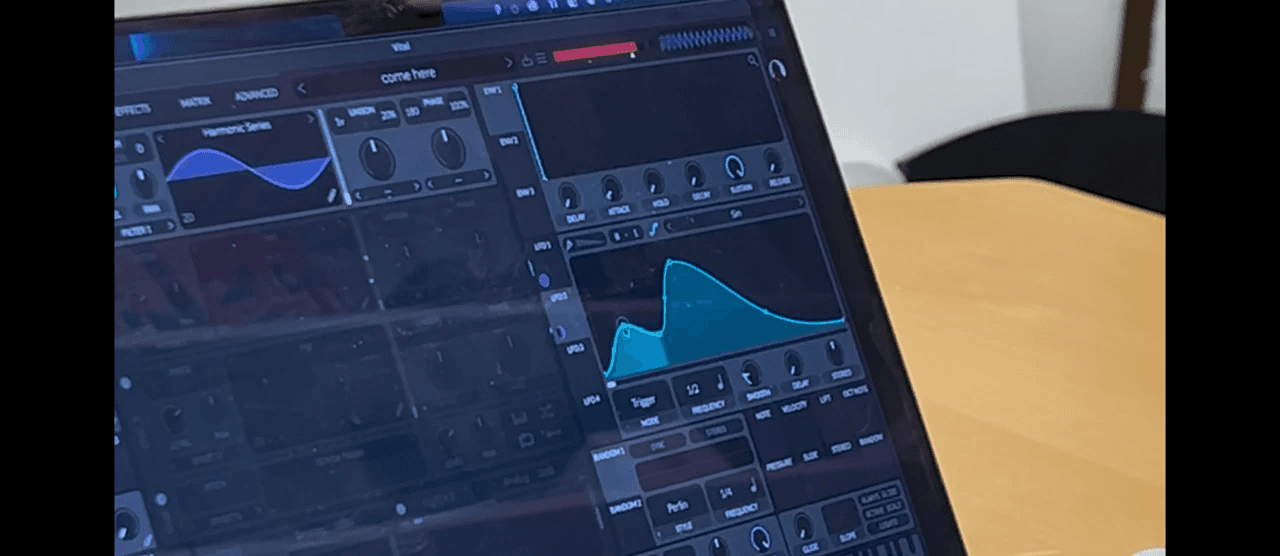
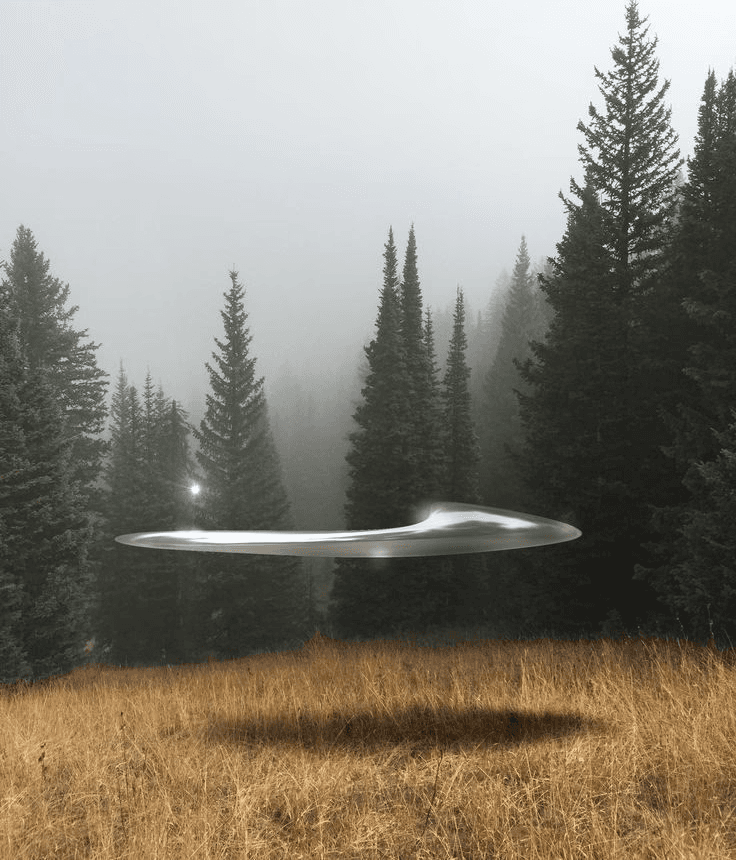
Recording and creating sounds
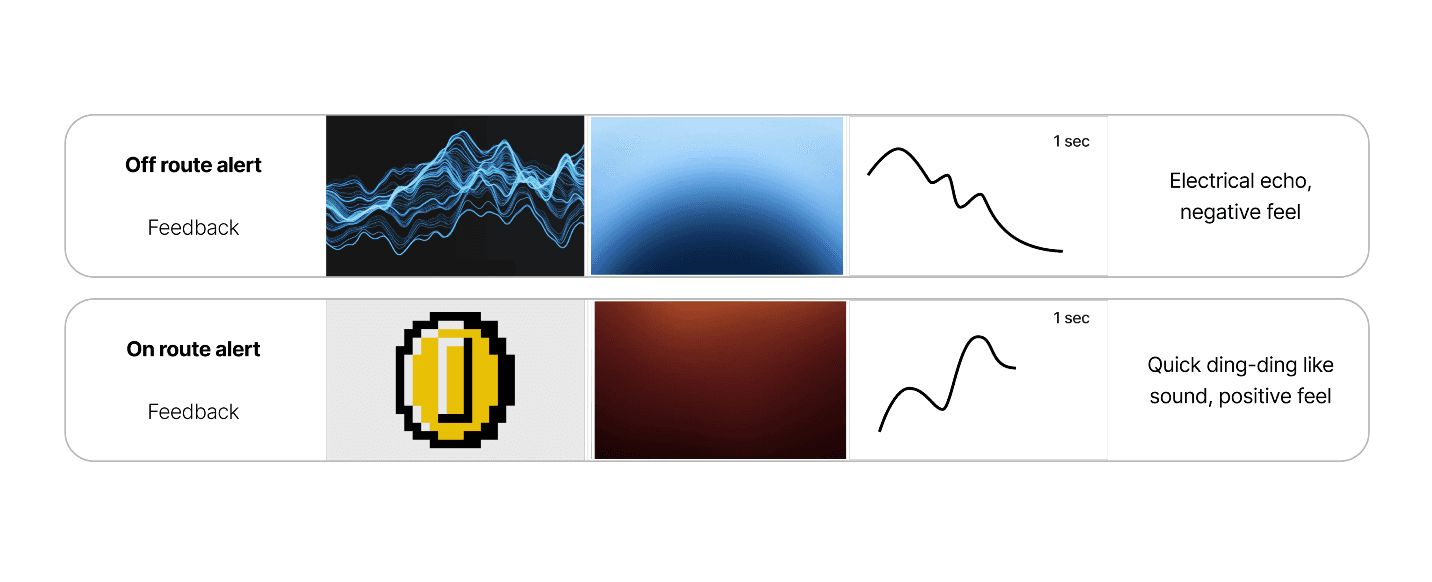
Sound boards as a tool to define sound identities
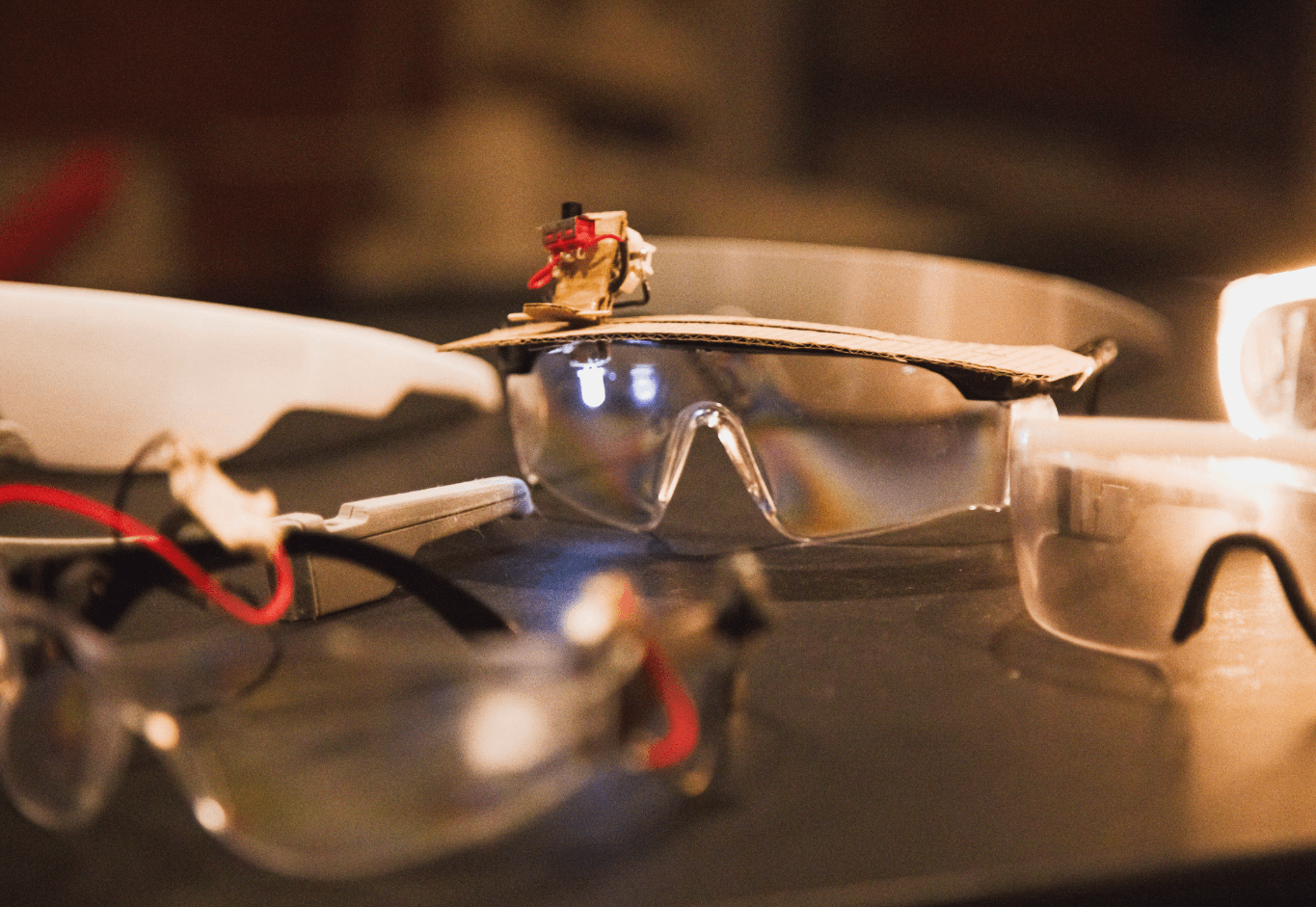
Early prototypes testing light concepts